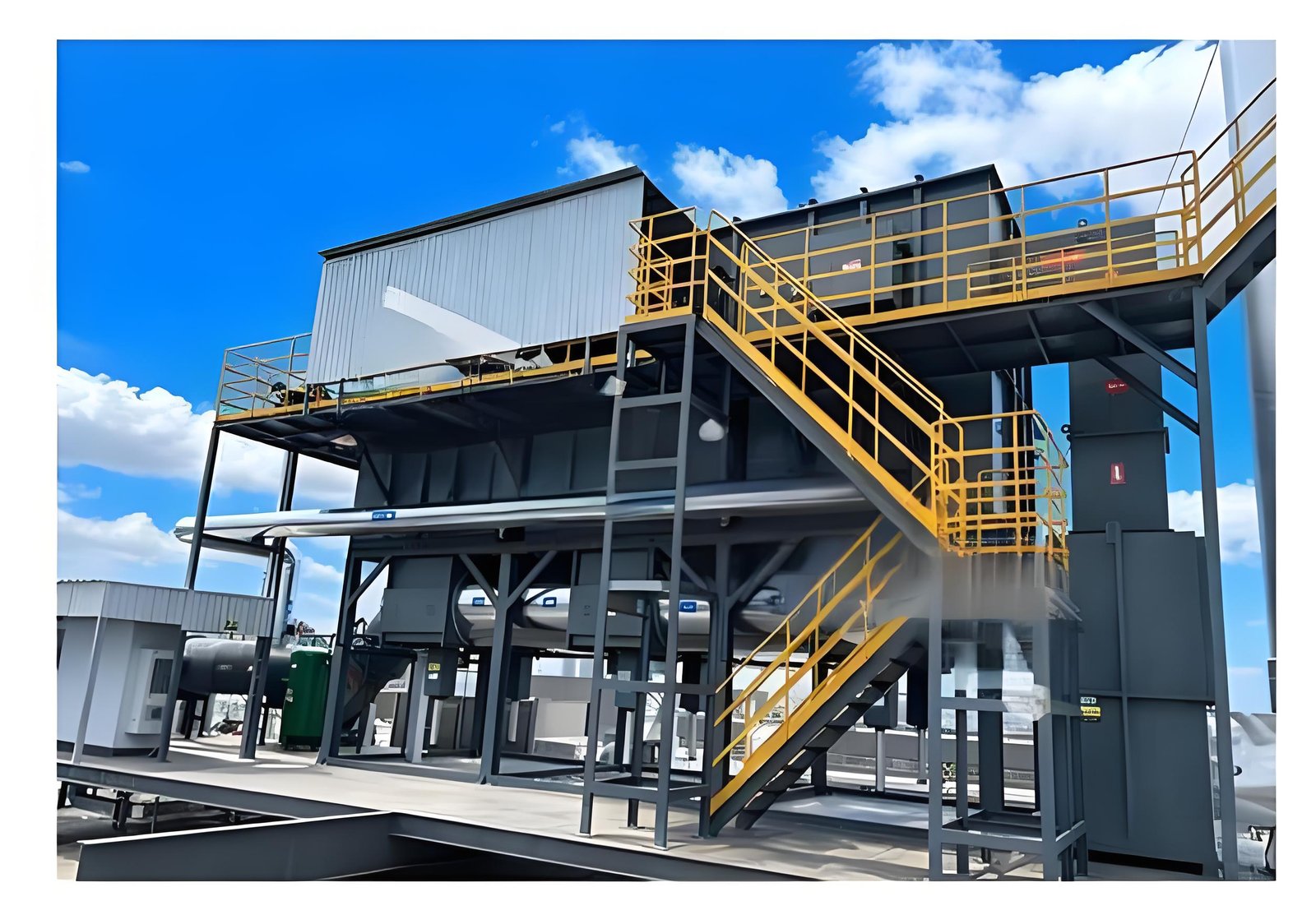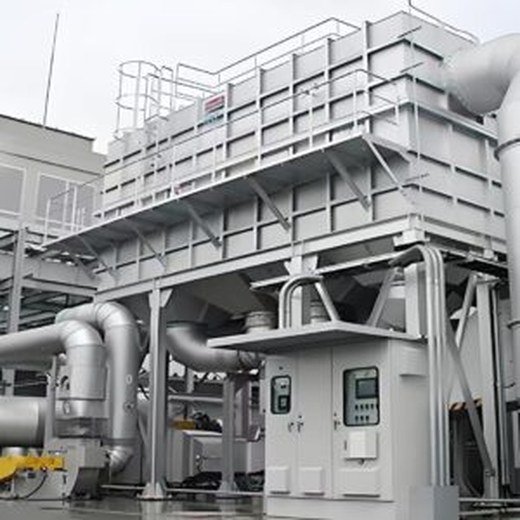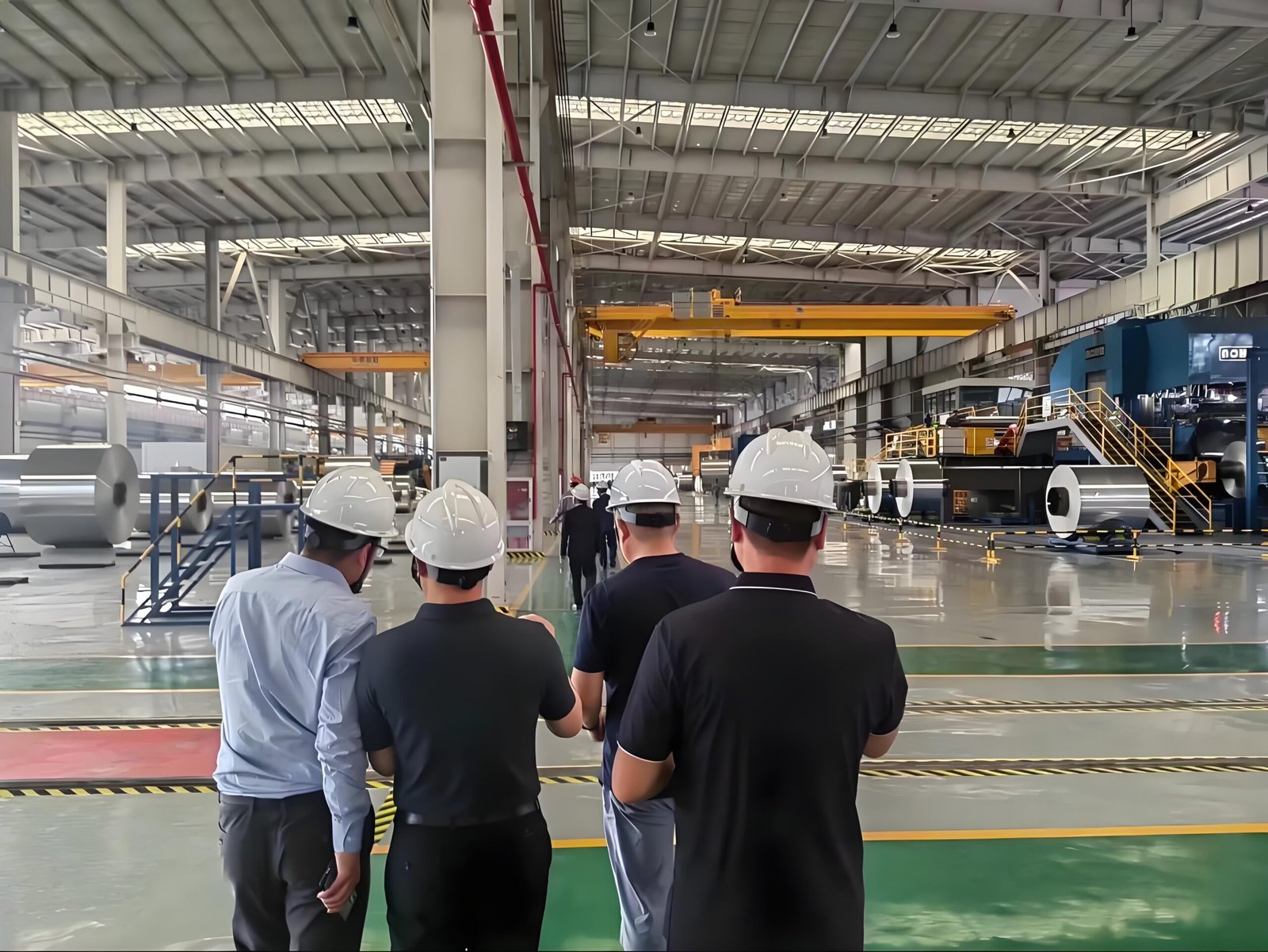
Author: serno_admin

  • Zeolite Rotor Concentrator + RTO for VOC Treatment

    SERNO Knowledge Center

    Zeolite Rotor Concentrator + RTO for VOC Treatment

    Zeolite rotor concentrator plus RTO is often used when exhaust airflow is large and VOC concentration is relatively low. The rotor concentrates VOCs into a smaller desorption airflow, then the RTO oxidizes the concentrated stream.
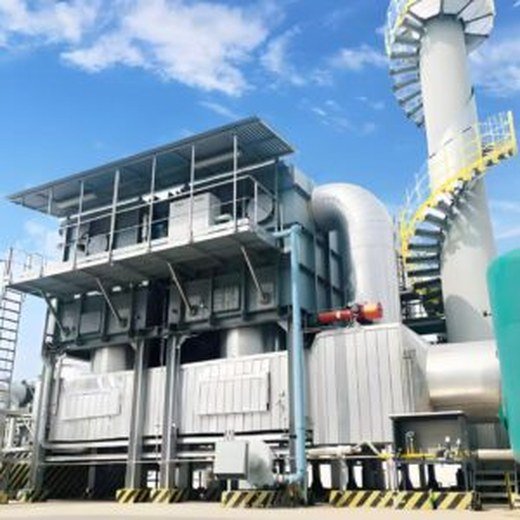
    SERNO zeolite rotor concentrator RTO system
    Rotor concentrator plus RTO can be suitable for large low-concentration exhaust, but the solvent profile must be checked.

    How the system works

    The adsorption rotor continuously adsorbs VOCs from large airflow. A smaller hot desorption stream removes VOCs from the rotor and sends the concentrated exhaust to the RTO.

    This can reduce the size and fuel load of the oxidation section compared with treating all airflow directly, especially when the original VOC concentration is low and production runs long hours.

    • Adsorption zone handles large low concentration airflow.
    • Desorption zone creates smaller concentrated airflow.
    • RTO oxidizes the concentrated VOC stream.
    • Cooling and purge sections keep rotor operation stable.

    Best-fit applications

    Rotor RTO is often reviewed for coating booths, printing workshops, electronics, new materials and other processes with large airflow and low VOC concentration.

    It is less suitable when exhaust contains heavy dust, sticky mist or components that are not compatible with zeolite adsorption. Pretreatment and solvent review are essential before selection.

    • Large airflow with low to medium VOC concentration.
    • Stable solvent types compatible with zeolite rotor.
    • Good pretreatment for dust, mist and sticky components.
    • Long operating hours where energy saving matters.
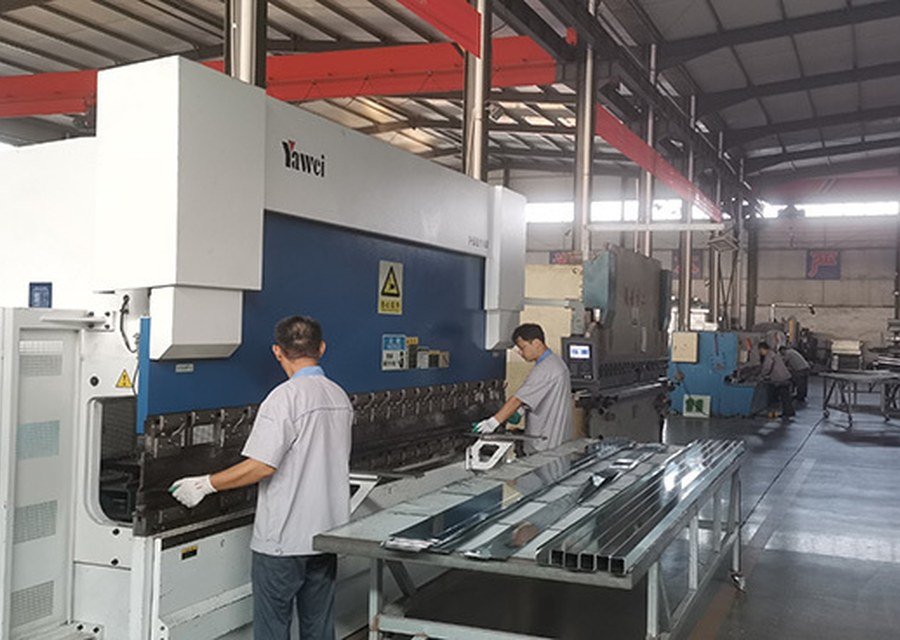
    SERNO machining and fabrication process
    Rotor RTO projects require accurate mechanical integration and reliable sealing details.

    Important design risks

    The rotor is not a magic filter. Poor pretreatment, wrong concentration ratio, high humidity or incompatible solvents can reduce performance and shorten media life.

    The supplier should check solvent boiling point, adsorption behavior, temperature and humidity before choosing rotor material and concentration ratio.

    • Avoid paint mist or oil mist entering the rotor.
    • Check humidity and temperature before adsorption.
    • Confirm desorption temperature and concentration ratio.
    • Plan fire protection and temperature monitoring.

    Comparing Rotor RTO and direct RTO

    Direct RTO may be simpler when concentration is stable and airflow is moderate. Rotor RTO may reduce operating cost for large low-concentration airflow, but the system is more complex and needs careful maintenance.

    QuestionPractical comparison
    AirflowDirect RTO fits moderate to high airflow; Rotor RTO is often reviewed for very large low concentration airflow.
    System complexityDirect RTO is simpler; Rotor RTO adds adsorption, desorption and rotor protection.
    Pretreatment sensitivityRotor RTO is more sensitive because the rotor must be protected.
    Energy potentialRotor RTO can be better for low concentration large airflow after proper design.

    FAQ

    What project data should be prepared before asking for quotation?

    At minimum, prepare airflow, VOC concentration, solvent or VOC composition, exhaust temperature, humidity, dust or mist content, operating hours, emission limit and installation location. Without these data, suppliers can only give a rough direction.

    Can SERNO provide only equipment or a complete system?

    SERNO can discuss different supply scopes, from main equipment to a more complete package with duct interface, safety controls, electrical cabinet and engineering support. The final scope should be confirmed in the quotation boundary.

    Can all solvents be treated by zeolite rotor?

    No. Solvent composition must be checked. Some high-boiling, sticky, polymerizable or incompatible components may require pretreatment or another technology route.

    Need a practical VOC treatment recommendation?

    Send SERNO your airflow, VOC concentration, solvent composition, temperature, humidity, operating hours and emission target. We can help compare RTO, Rotor RTO, RCO and catalytic combustion options before budget quotation.

    Send Project Data
    Related SERNO pages

  • VOC Exhaust Data Checklist Before RTO Quotation

    SERNO Knowledge Center

    VOC Exhaust Data Checklist Before RTO Quotation

    A good quotation starts with good data. If the buyer only provides airflow, the supplier can only guess. This checklist helps plant managers, EHS teams and purchasing teams prepare the information needed for a reliable VOC treatment proposal.

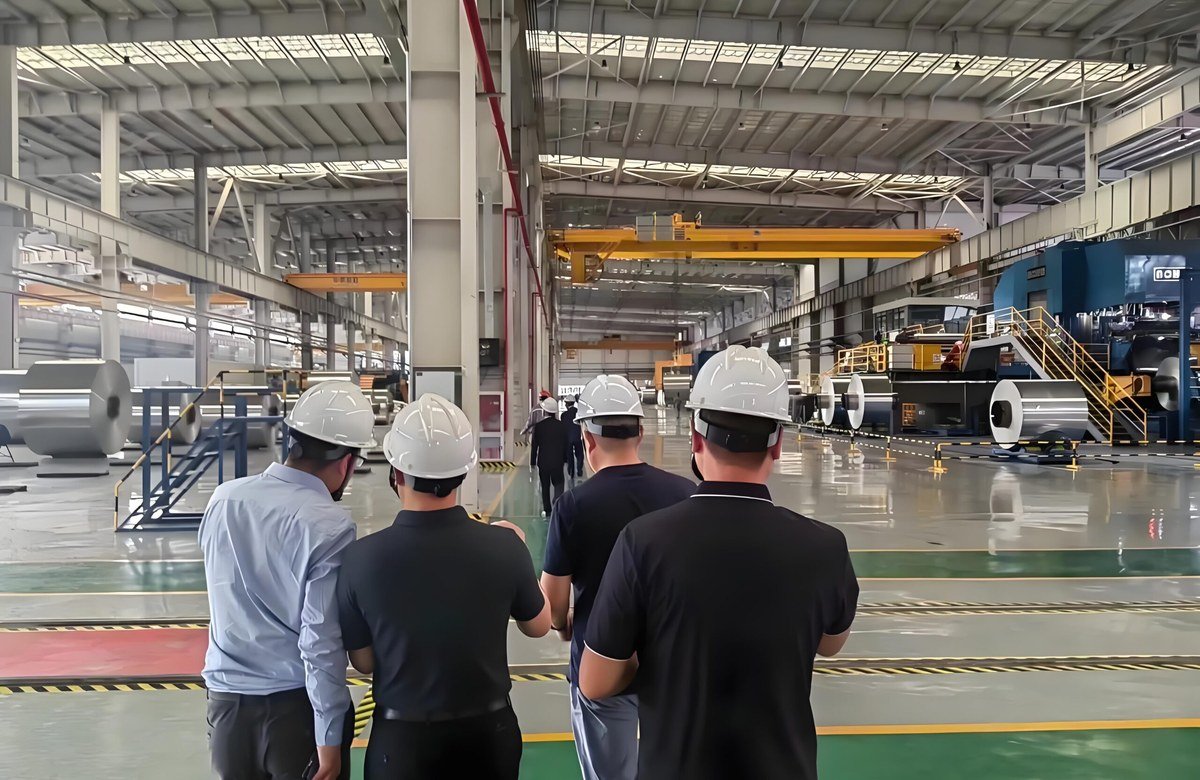
    SERNO customer visit and engineering discussion
    Clear project data helps the supplier provide a realistic VOC treatment recommendation and quotation.

    Process and exhaust source list

    List each exhaust source separately before combining them. A production line can include oven exhaust, booth exhaust, tank ventilation, cleaning exhaust and workshop ventilation. Each stream may have different airflow, temperature and VOC concentration.

    This source-by-source list helps identify high concentration streams, low concentration ventilation streams and sources that need pretreatment before entering RTO, Rotor RTO, RCO or catalytic combustion equipment.

    • Production process and product type.
    • Number of lines, ovens, booths or reactors.
    • Airflow of each exhaust point.
    • Operating hours and production schedule.

    VOC concentration and solvent composition

    VOC concentration should include normal value, peak value and measurement basis. A single average number is not enough because treatment equipment must handle startup, shutdown, recipe change and abnormal peaks.

    Solvent composition is equally important because different VOCs have different calorific value, oxidation behavior, corrosion risk, catalyst compatibility and safety requirements.

    • Normal and peak VOC concentration.
    • Solvent list or SDS documents.
    • High-boiling, corrosive or silicon-containing components.
    • Dust, mist, resin or sticky particle content.
    Data itemWhy SERNO needs it
    AirflowEquipment size, fan selection and duct design.
    ConcentrationFuel use, safety design and technology selection.
    Solvent compositionOxidation temperature, corrosion and catalyst compatibility.
    Temperature and humidityMaterial, insulation, condensation and process stability.

    Site and utility information

    Equipment selection also depends on the installation site. Outdoor installation, limited space, local electrical standard, fuel availability and stack requirements should be checked early to avoid redesign.

    For overseas projects, utility and installation boundary should be written into the quotation clearly. This prevents misunderstanding about ducts, platforms, foundation, cranes and commissioning responsibility.

    • Available footprint and height limit.
    • Natural gas, LPG, electricity and compressed air conditions.
    • Indoor or outdoor installation.
    • Emission limit and monitoring requirement.
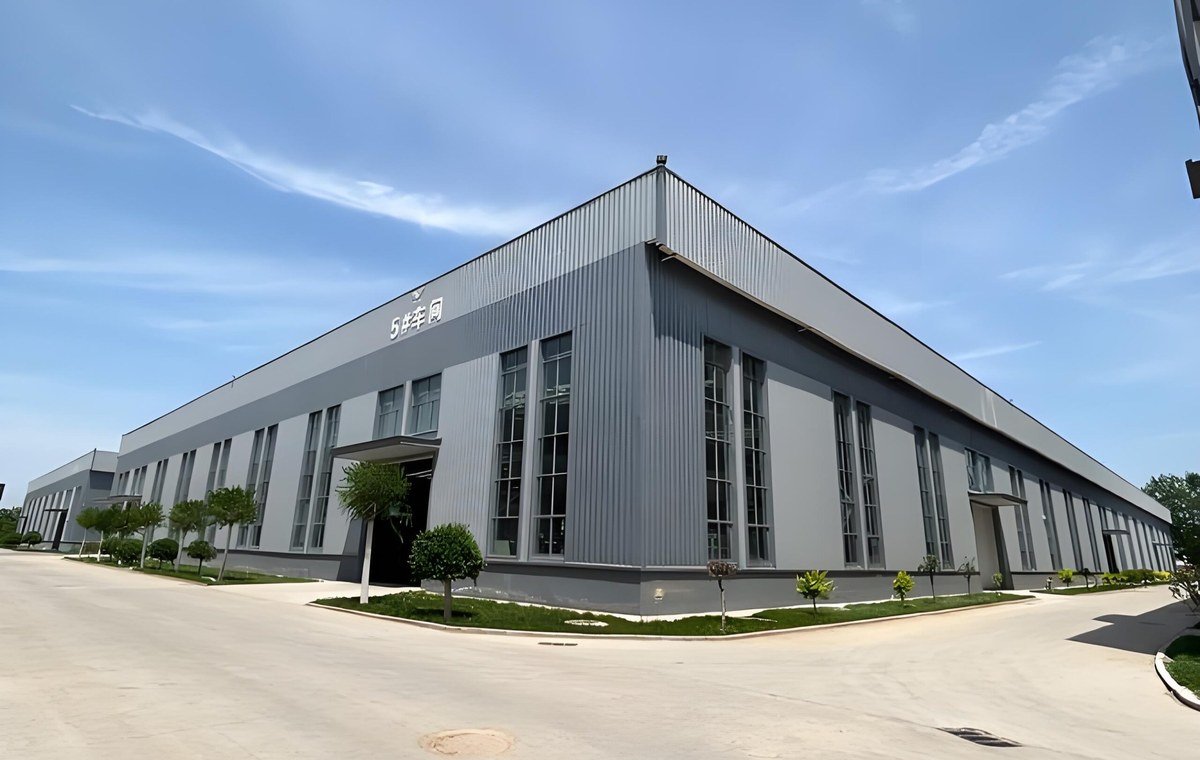
    SERNO factory exterior
    Site conditions and utility availability should be discussed before final equipment layout.

    Documents that speed up quotation

    Photos, drawings and existing test reports can reduce back-and-forth communication. If the project is a retrofit, include current fan, duct, stack and emission treatment information.

    The more complete the first information package is, the easier it is for SERNO to judge whether the project should use direct RTO, Rotor RTO, RCO or adsorption plus catalytic combustion.

    • Workshop layout or simple process flow drawing.
    • Existing exhaust test report.
    • Photos of production line and duct area.
    • Target delivery time and installation responsibility.

    FAQ

    What project data should be prepared before asking for quotation?

    At minimum, prepare airflow, VOC concentration, solvent or VOC composition, exhaust temperature, humidity, dust or mist content, operating hours, emission limit and installation location. Without these data, suppliers can only give a rough direction.

    Can SERNO provide only equipment or a complete system?

    SERNO can discuss different supply scopes, from main equipment to a more complete package with duct interface, safety controls, electrical cabinet and engineering support. The final scope should be confirmed in the quotation boundary.

    What if I do not have VOC concentration data?

    SERNO can still discuss the project direction, but final equipment selection and quotation should wait for measured data or a reasonable engineering estimate.

    Need a practical VOC treatment recommendation?

    Send SERNO your airflow, VOC concentration, solvent composition, temperature, humidity, operating hours and emission target. We can help compare RTO, Rotor RTO, RCO and catalytic combustion options before budget quotation.

    Send Project Data
    Related SERNO pages

  • RTO vs RCO: How to Choose VOC Oxidation Equipment

    SERNO Knowledge Center

    RTO vs RCO: How to Choose VOC Oxidation Equipment

    RTO and RCO are both oxidation technologies for VOC treatment, but they use different operating temperatures and maintenance logic. The better option depends on VOC composition, concentration, airflow, catalyst compatibility and factory operation schedule.

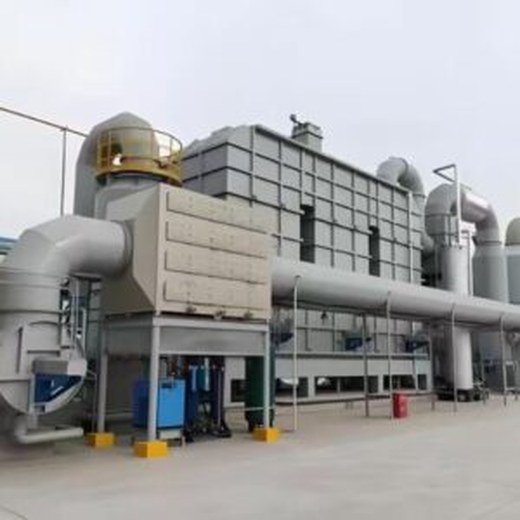
    SERNO RCO catalytic oxidation equipment
    RCO can operate at lower temperature, but catalyst compatibility and poisoning risk must be reviewed.

    Basic difference between RTO and RCO

    RTO destroys VOCs by high temperature thermal oxidation and recovers heat through ceramic media. RCO uses catalyst to reduce the oxidation temperature.

    This means RCO can save energy in some applications, but catalyst cost, catalyst life and poisoning risk must be considered.

    • RTO: higher oxidation temperature, strong adaptability, ceramic heat recovery.
    • RCO: lower oxidation temperature, catalyst-based reaction, needs cleaner compatible exhaust.
    • Both need correct safety design and stable airflow control.

    When RTO is usually stronger

    RTO is often selected for continuous industrial exhaust with complex solvent composition, higher concentration or where catalyst poisoning risk is difficult to control.

    It is widely used in printing, coating, chemical and materials industries.

    • Mixed solvents with uncertain catalyst compatibility.
    • Higher concentration or high destruction efficiency demand.
    • Long-term stable operation with robust heat recovery.
    • Projects where catalyst replacement cost is a concern.
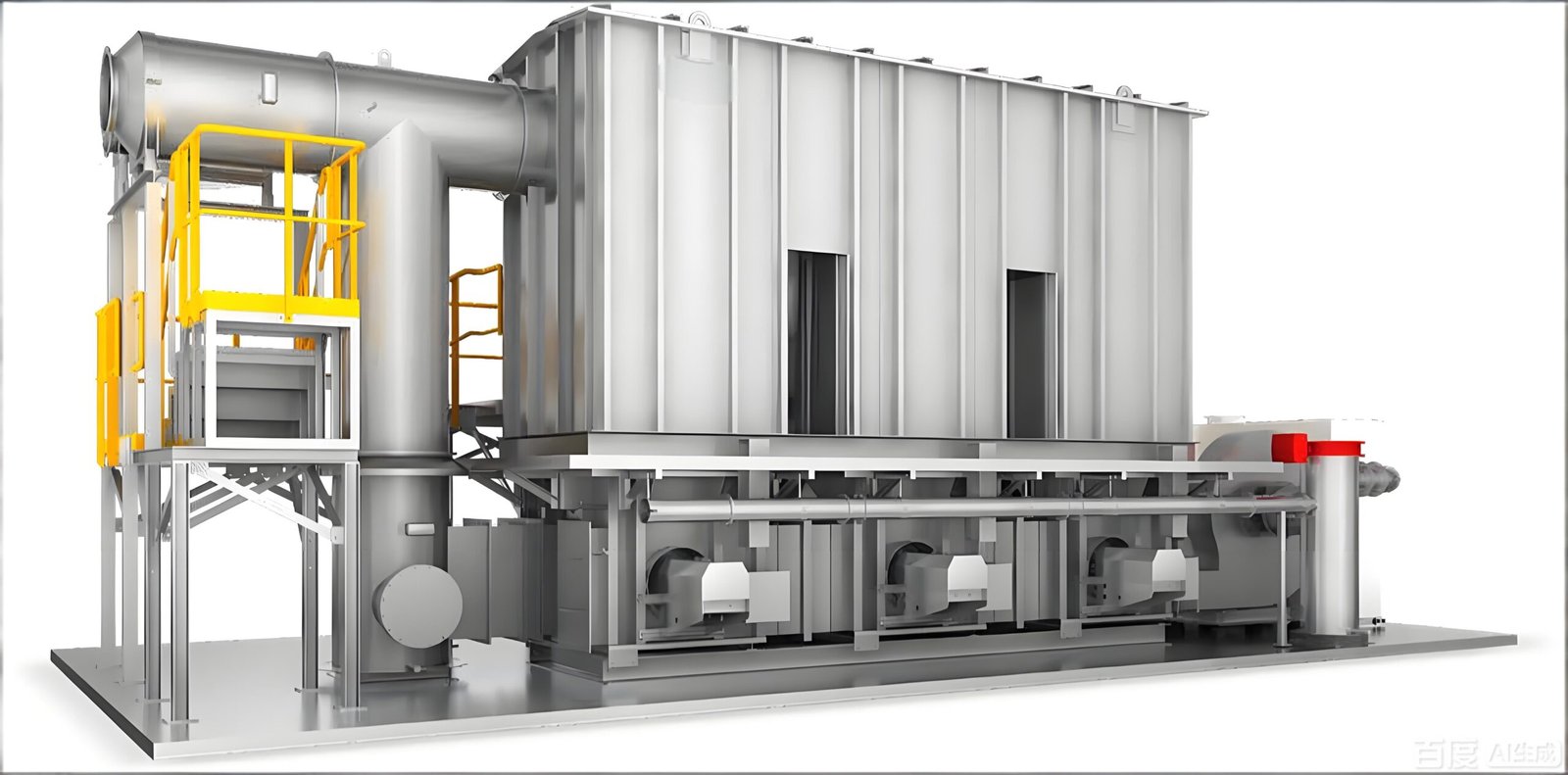
    Compact regenerative thermal oxidizer equipment module for VOC treatment comparison
    RTO is often selected when solvent composition is complex or catalyst risk is high.

    When RCO may be suitable

    RCO may be attractive when VOC concentration is lower, exhaust is relatively clean, catalyst compatibility is confirmed and lower oxidation temperature can reduce fuel cost.

    It is also used in adsorption desorption plus catalytic combustion systems.

    • Clean exhaust with limited dust, mist and catalyst poisons.
    • Suitable VOC components for catalytic oxidation.
    • Operation where lower temperature saves meaningful fuel cost.
    • Maintenance plan includes catalyst inspection and replacement.

    How to compare total cost

    The cheaper equipment is not always the cheaper project. RTO may have higher initial cost but lower sensitivity to catalyst issues. RCO may reduce fuel consumption but needs catalyst management.

    Buyers should compare capital cost, fuel cost, maintenance and downtime risk together.

    FactorRTO / RCO comparison
    Oxidation temperatureRTO is higher; RCO is lower with catalyst.
    Maintenance focusRTO focuses on valves and ceramic media; RCO focuses on catalyst condition.
    Best fitRTO fits complex VOC; RCO fits clean compatible exhaust.
    RiskRCO needs catalyst poisoning review; RTO needs fuel and heat recovery review.

    FAQ

    What project data should be prepared before asking for quotation?

    At minimum, prepare airflow, VOC concentration, solvent or VOC composition, exhaust temperature, humidity, dust or mist content, operating hours, emission limit and installation location. Without these data, suppliers can only give a rough direction.

    Can SERNO provide only equipment or a complete system?

    SERNO can discuss different supply scopes, from main equipment to a more complete package with duct interface, safety controls, electrical cabinet and engineering support. The final scope should be confirmed in the quotation boundary.

    Is RCO always more energy saving than RTO?

    No. RCO has lower reaction temperature, but total cost depends on VOC concentration, catalyst life, heat recovery, operating hours and maintenance risk.

    Need a practical VOC treatment recommendation?

    Send SERNO your airflow, VOC concentration, solvent composition, temperature, humidity, operating hours and emission target. We can help compare RTO, Rotor RTO, RCO and catalytic combustion options before budget quotation.

    Send Project Data
    Related SERNO pages

  • What Affects RTO System Cost? Key Project Factors

    SERNO Knowledge Center

    What Affects RTO System Cost? Key Project Factors

    RTO system cost is not decided by airflow alone. Price changes with exhaust data, safety configuration, heat recovery requirement, material selection, automation level, supply scope and installation boundary.

    SERNO fabrication workshop for VOC treatment equipment
    RTO price should be compared by technical boundary and supply scope, not only by headline number.

    Airflow and concentration define the base size

    Airflow influences equipment body size, valve diameter, fan selection and duct connection. VOC concentration influences combustion load, fuel consumption, safety design and possible heat recovery.

    A larger airflow with very low concentration can sometimes be more expensive to operate than a smaller high concentration exhaust stream.

    • Total airflow and each exhaust source.
    • Normal and peak VOC concentration.
    • Expected pressure drop and fan power.
    • Operation schedule and production fluctuation.

    Safety configuration changes cost

    Industrial VOC treatment equipment should not remove safety items to reduce price. LEL monitor, purge sequence, burner protection, emergency bypass and PLC interlocks all add cost, but they reduce operational risk.

    For export projects, electrical standard and gas train configuration can also change the price.

    • LEL detection and alarm logic.
    • Fresh air dilution or bypass damper.
    • Explosion relief or pressure relief where applicable.
    • PLC, HMI and remote monitoring functions.
    Industrial RTO installation showing equipment scope, ducting and access platforms
    Safety design and automation level are major parts of a reliable RTO quotation.

    Material and corrosion requirements

    If the exhaust contains corrosive compounds, high humidity or high temperature, material selection and insulation design need special review.

    Stainless steel parts, corrosion-resistant coating or special seals can increase cost but may be necessary for service life.

    • Solvent composition and possible acid gas.
    • Moisture and dew point risk.
    • Operating temperature and outdoor installation condition.
    • Local climate and anti-corrosion requirement.

    Supply scope must be compared carefully

    A low quotation may exclude fan, duct, platform, insulation, electrical cabinet, installation guidance, commissioning or spare parts.

    Buyers should ask every supplier to list the same scope before comparing.

    Scope itemCheck before comparing price
    Main equipmentChambers, valves, ceramic media, burner and support frame.
    ElectricalPLC cabinet, HMI, instruments, cable scope and signals.
    Site workDucting, crane, foundation, platform and installation labor.
    ServiceCommissioning, training, documents and spare parts.

    FAQ

    What project data should be prepared before asking for quotation?

    At minimum, prepare airflow, VOC concentration, solvent or VOC composition, exhaust temperature, humidity, dust or mist content, operating hours, emission limit and installation location. Without these data, suppliers can only give a rough direction.

    Can SERNO provide only equipment or a complete system?

    SERNO can discuss different supply scopes, from main equipment to a more complete package with duct interface, safety controls, electrical cabinet and engineering support. The final scope should be confirmed in the quotation boundary.

    Can SERNO give a quick budget price?

    Yes, but the budget price is only meaningful after airflow, concentration, solvent type and supply scope are clear. A final quotation requires more detailed project data.

    Need a practical VOC treatment recommendation?

    Send SERNO your airflow, VOC concentration, solvent composition, temperature, humidity, operating hours and emission target. We can help compare RTO, Rotor RTO, RCO and catalytic combustion options before budget quotation.

    Send Project Data

    Related SERNO pages

  • RTO Systems for Printing and Flexible Packaging VOC Exhaust

    RTO Systems for Printing and Flexible Packaging VOC Exhaust

    SERNO Knowledge Center

    RTO Systems for Printing and Flexible Packaging VOC Exhaust

    Printing and flexible packaging factories often release solvent VOCs from ink, adhesive, coating and drying sections. A good treatment system must handle changing production speed, solvent mix, temperature and safety requirements.

    Industrial RTO system for collecting and treating printing-line VOC exhaust
    Printing and packaging VOC projects require stable equipment and clear process data before design.

    Where VOC exhaust comes from in printing plants

    In gravure printing, flexographic printing and laminating workshops, VOC exhaust is usually connected to drying ovens, coating heads, adhesive sections and sometimes cleaning areas.

    Each source may have different temperature and concentration, so combining them without analysis can make the treatment system unstable.

    • Drying oven exhaust with higher temperature and solvent concentration.
    • Workshop ventilation exhaust with lower concentration.
    • Adhesive or coating line exhaust.
    • Cleaning solvent exhaust with intermittent peaks.

    Direct RTO or Rotor RTO for printing exhaust

    Direct RTO can be suitable when concentration is stable and the exhaust stream has enough calorific value. Rotor RTO may be reviewed when airflow is large but VOC concentration is low, or when several low concentration exhaust points are combined.

    The right choice depends on measured data rather than industry name alone.

    • Direct RTO: simpler process, suitable for stable medium concentration exhaust.
    • Rotor RTO: concentrates low concentration exhaust before oxidation.
    • Pretreatment: needed when sticky particles, mist or dust may block media.
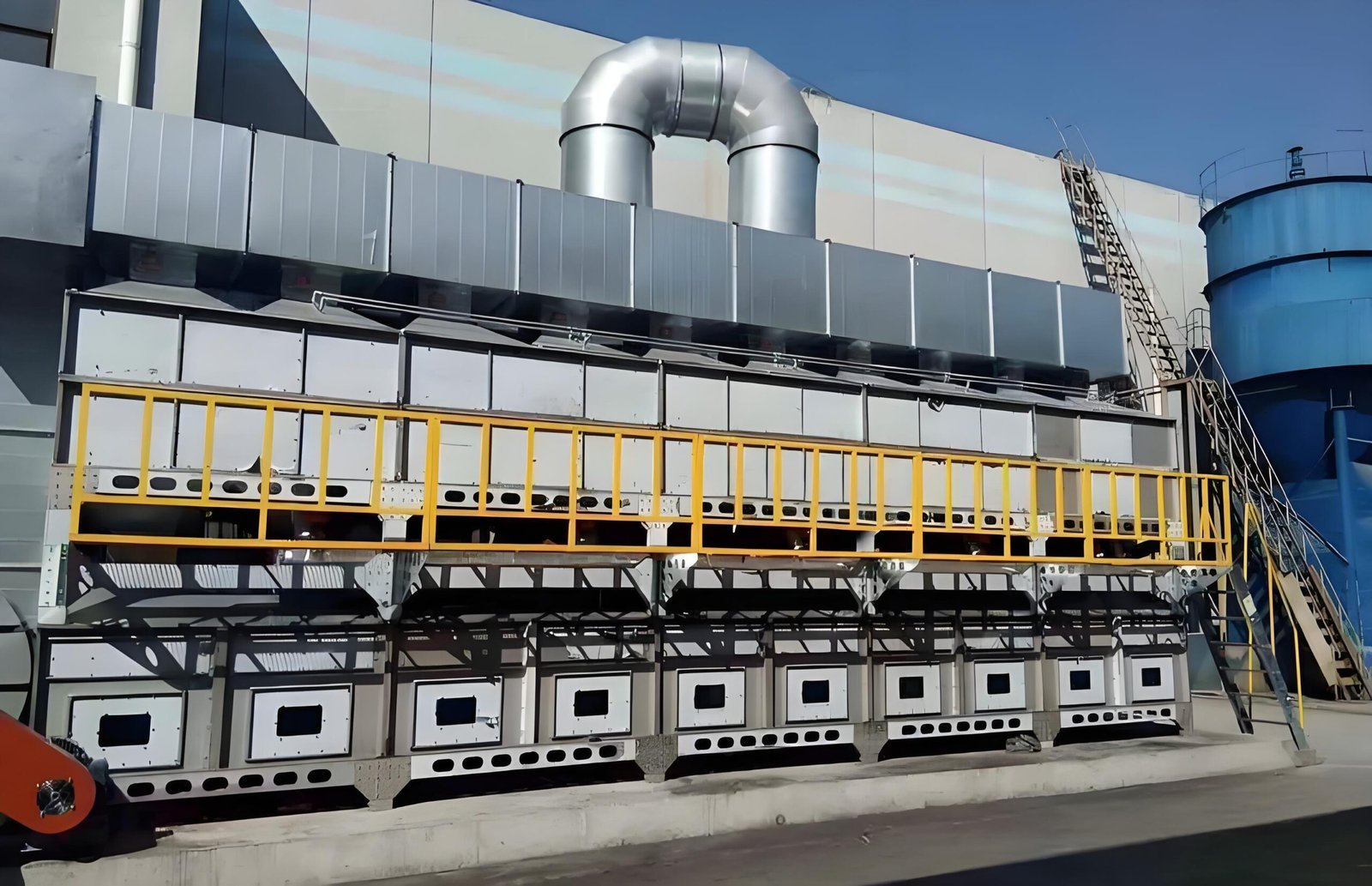
    Industrial VOC oxidizer equipment with duct connections for production exhaust
    Rotor concentrator plus RTO can reduce oxidation load for large low-concentration exhaust streams.

    Safety and energy points

    Printing solvents can have relatively low flash points, so LEL monitoring and emergency dilution are important. Energy performance should also be checked because many lines run long hours.

    Heat recovery and concentration ratio can strongly affect fuel use.

    • Confirm normal and peak VOC concentration.
    • Set LEL alarm and interlock strategy.
    • Review waste heat reuse possibility for drying process.
    • Check fan pressure and duct leakage.

    Information SERNO needs from the buyer

    A practical printing VOC inquiry should include more than factory size. SERNO needs production process, number of lines, airflow of each oven, solvent list, working hours and emission limit.

    Photos or drawings of the workshop layout can also help with duct and equipment placement.

    DataExample
    Production processGravure printing, flexographic printing, laminating, coating.
    SolventsEthyl acetate, IPA, toluene, MEK or mixed solvents.
    OperationHours per day, shifts per week, seasonal changes.
    TargetLocal emission limit, odor control and energy requirement.

    FAQ

    What project data should be prepared before asking for quotation?

    At minimum, prepare airflow, VOC concentration, solvent or VOC composition, exhaust temperature, humidity, dust or mist content, operating hours, emission limit and installation location. Without these data, suppliers can only give a rough direction.

    Can SERNO provide only equipment or a complete system?

    SERNO can discuss different supply scopes, from main equipment to a more complete package with duct interface, safety controls, electrical cabinet and engineering support. The final scope should be confirmed in the quotation boundary.

    Can printing exhaust enter the RTO directly?

    Sometimes yes, but sticky ink mist, particles and high-boiling components should be checked first. Pretreatment can protect valves, ceramic media and rotor media.

    Need a practical VOC treatment recommendation?

    Send SERNO your airflow, VOC concentration, solvent composition, temperature, humidity, operating hours and emission target. We can help compare RTO, Rotor RTO, RCO and catalytic combustion options before budget quotation.

    Send Project Data
    Related SERNO pages

  • How to Select an RTO System for VOC Abatement

    SERNO Knowledge Center

    How to Select an RTO System for VOC Abatement

    Selecting an RTO system is not only a question of airflow. A reliable regenerative thermal oxidizer design depends on VOC concentration, solvent composition, exhaust temperature, operating schedule, safety design, heat recovery and the factory installation environment.

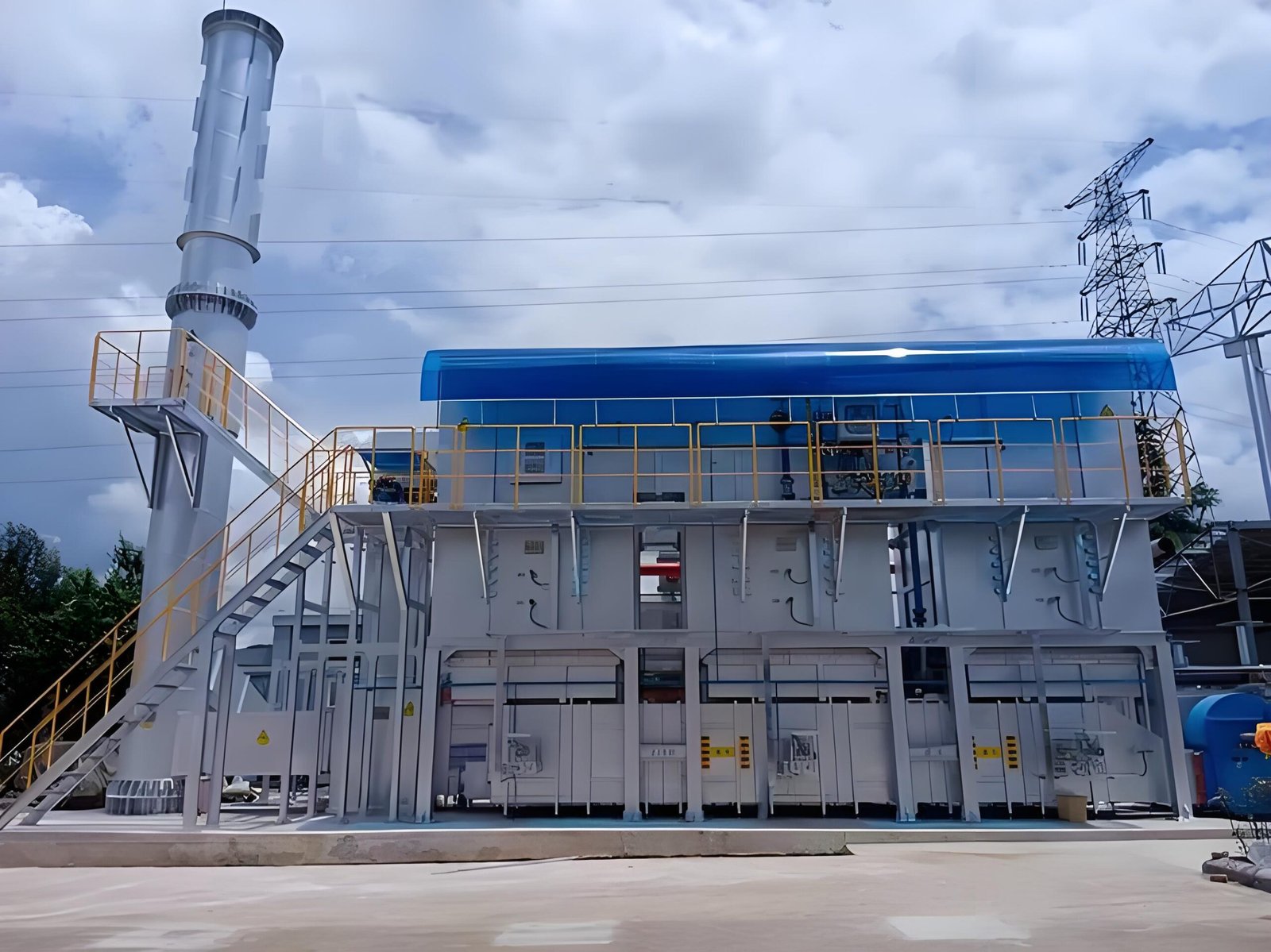
    SERNO regenerative thermal oxidizer system
    A regenerative thermal oxidizer should be selected from process data, not from airflow alone.

    Start with the real exhaust profile

    Many early RTO inquiries only mention air volume, but air volume by itself cannot decide the equipment model or cost. Two factories can both have 30,000 m3/h exhaust, while one has stable solvent concentration from a drying oven and the other has intermittent low concentration exhaust from several production points.

    SERNO normally starts by separating each exhaust source before combining them. This avoids oversizing the system and helps identify whether pretreatment, concentration or heat recovery should be included.

    • Airflow for each exhaust point and total combined airflow.
    • Normal, minimum and peak VOC concentration.
    • VOC or solvent composition, including high-boiling or corrosive components.
    • Exhaust temperature, humidity, dust, mist and oxygen content.
    Selection itemWhy it matters
    AirflowDecides fan size, chamber size, valve diameter and duct interface.
    VOC concentrationAffects fuel consumption, safety design and whether self-sustaining operation is possible.
    Solvent compositionInfluences oxidation temperature, corrosion risk and by-product control.
    Operating hoursChanges payback, heat recovery value and maintenance planning.

    Check whether RTO is the right technology

    RTO is usually suitable for continuous industrial VOC exhaust where high destruction efficiency and thermal efficiency are required. It is commonly used in printing, coating, chemical, new material and packaging applications.

    If the airflow is very large and concentration is very low, zeolite rotor concentrator plus RTO may reduce operating cost. If concentration is low and airflow is smaller, catalytic combustion or adsorption plus catalytic combustion may be reviewed.

    • Use direct RTO for stable medium concentration exhaust.
    • Review Rotor RTO for large airflow with low VOC concentration.
    • Review RCO when catalytic oxidation temperature and catalyst compatibility are suitable.
    • Avoid selecting technology before confirming process data.
    Engineering team reviewing industrial fabrication work in a SERNO factory
    Fabrication capacity and engineering detail are important trust signals for overseas industrial buyers.

    Do not ignore safety design

    VOC treatment equipment must be designed with safety margins. LEL monitoring, emergency bypass, dilution air, high temperature protection, purge sequence and interlock logic are not decorative options.

    For export projects, the buyer and supplier should clarify local electrical requirements, hazardous area classification, burner standard, gas train configuration and emergency stop logic before final quotation.

    • LEL monitoring position and alarm setpoints.
    • Fresh air dilution or emergency bypass strategy.
    • High temperature and flame failure protection.
    • PLC interlock between production line, fan, valves and burner.

    Compare quotations by boundary, not headline price

    RTO quotations often look very different because the scope is different. One supplier may include main equipment only, while another includes fan, ducts, insulation, electrical cabinet, installation guidance and commissioning support.

    Buyers should compare quotations line by line before deciding which offer is truly cheaper.

    • Equipment body, ceramic media and valves.
    • Combustion system and gas train.
    • Main fan, duct interface and insulation.
    • PLC cabinet, instruments and safety devices.
    • Installation, commissioning, spare parts and documentation.

    FAQ

    What project data should be prepared before asking for quotation?

    At minimum, prepare airflow, VOC concentration, solvent or VOC composition, exhaust temperature, humidity, dust or mist content, operating hours, emission limit and installation location. Without these data, suppliers can only give a rough direction.

    Can SERNO provide only equipment or a complete system?

    SERNO can discuss different supply scopes, from main equipment to a more complete package with duct interface, safety controls, electrical cabinet and engineering support. The final scope should be confirmed in the quotation boundary.

    What is the most common mistake when buying an RTO?

    The most common mistake is asking for a price based only on airflow. This often leads to incorrect sizing, missing safety items and later price changes.

    Need a practical VOC treatment recommendation?

    Send SERNO your airflow, VOC concentration, solvent composition, temperature, humidity, operating hours and emission target. We can help compare RTO, Rotor RTO, RCO and catalytic combustion options before budget quotation.

    Send Project Data
    Related SERNO pages