 Request Proposal
SERNO Knowledge Center
Zeolite Rotor Concentrator + RTO for VOC Treatment
Zeolite rotor concentrator plus RTO is often used when exhaust airflow is large and VOC concentration is relatively low. The rotor concentrates VOCs into a smaller desorption airflow, then the RTO oxidizes the concentrated stream.
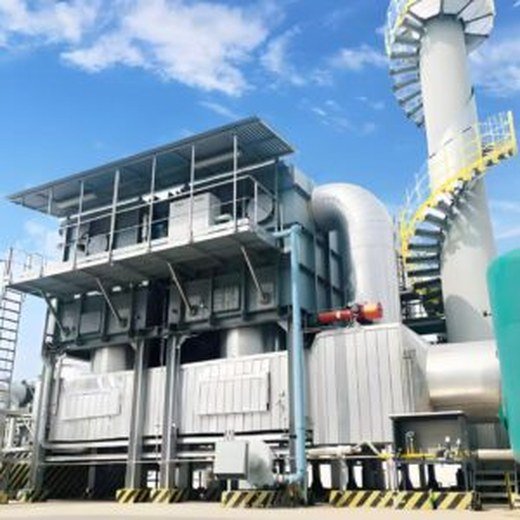
How the system works
The adsorption rotor continuously adsorbs VOCs from large airflow. A smaller hot desorption stream removes VOCs from the rotor and sends the concentrated exhaust to the RTO.
This can reduce the size and fuel load of the oxidation section compared with treating all airflow directly, especially when the original VOC concentration is low and production runs long hours.
- Adsorption zone handles large low concentration airflow.
- Desorption zone creates smaller concentrated airflow.
- RTO oxidizes the concentrated VOC stream.
- Cooling and purge sections keep rotor operation stable.
Best-fit applications
Rotor RTO is often reviewed for coating booths, printing workshops, electronics, new materials and other processes with large airflow and low VOC concentration.
It is less suitable when exhaust contains heavy dust, sticky mist or components that are not compatible with zeolite adsorption. Pretreatment and solvent review are essential before selection.
- Large airflow with low to medium VOC concentration.
- Stable solvent types compatible with zeolite rotor.
- Good pretreatment for dust, mist and sticky components.
- Long operating hours where energy saving matters.
Important design risks
The rotor is not a magic filter. Poor pretreatment, wrong concentration ratio, high humidity or incompatible solvents can reduce performance and shorten media life.
The supplier should check solvent boiling point, adsorption behavior, temperature and humidity before choosing rotor material and concentration ratio.
- Avoid paint mist or oil mist entering the rotor.
- Check humidity and temperature before adsorption.
- Confirm desorption temperature and concentration ratio.
- Plan fire protection and temperature monitoring.
Comparing Rotor RTO and direct RTO
Direct RTO may be simpler when concentration is stable and airflow is moderate. Rotor RTO may reduce operating cost for large low-concentration airflow, but the system is more complex and needs careful maintenance.
| Question | Practical comparison |
|---|---|
| Airflow | Direct RTO fits moderate to high airflow; Rotor RTO is often reviewed for very large low concentration airflow. |
| System complexity | Direct RTO is simpler; Rotor RTO adds adsorption, desorption and rotor protection. |
| Pretreatment sensitivity | Rotor RTO is more sensitive because the rotor must be protected. |
| Energy potential | Rotor RTO can be better for low concentration large airflow after proper design. |
FAQ
What project data should be prepared before asking for quotation?
At minimum, prepare airflow, VOC concentration, solvent or VOC composition, exhaust temperature, humidity, dust or mist content, operating hours, emission limit and installation location. Without these data, suppliers can only give a rough direction.
Can SERNO provide only equipment or a complete system?
SERNO can discuss different supply scopes, from main equipment to a more complete package with duct interface, safety controls, electrical cabinet and engineering support. The final scope should be confirmed in the quotation boundary.
Can all solvents be treated by zeolite rotor?
No. Solvent composition must be checked. Some high-boiling, sticky, polymerizable or incompatible components may require pretreatment or another technology route.
Need a practical VOC treatment recommendation?
Send SERNO your airflow, VOC concentration, solvent composition, temperature, humidity, operating hours and emission target. We can help compare RTO, Rotor RTO, RCO and catalytic combustion options before budget quotation.
Send Project Data