 Request Proposal
SERNO Product Line
VOC abatement systems matched to exhaust data, solvent profile and operating schedule.
Each project starts with airflow, VOC concentration, solvent composition, temperature, humidity, safety requirements and emission limits. These details decide whether RTO, Rotor RTO, RCO or catalytic combustion is suitable.
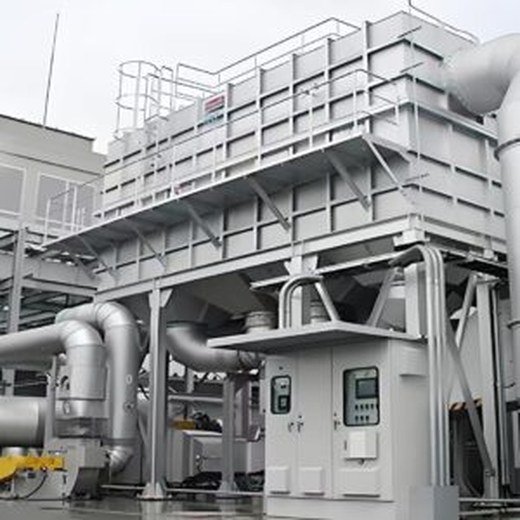
RTO
Regenerative Thermal Oxidizer
For continuous solvent VOC exhaust where stable oxidation, heat recovery and long operating hours are important.
- Printing, coating, chemical and drying exhaust streams
- Two-bed, three-bed or multi-bed configuration review
- Ceramic media, burner, valves, LEL and bypass safety options
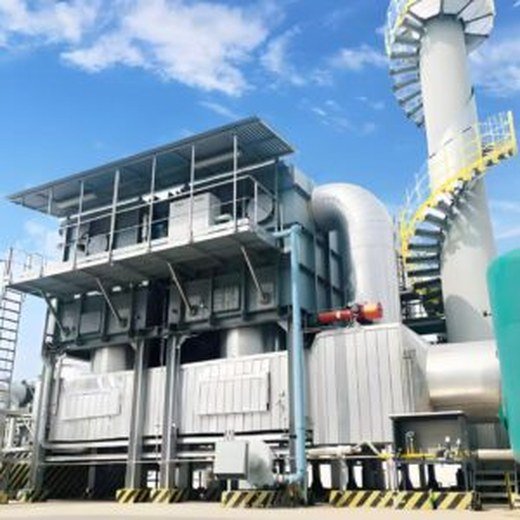
Rotor RTO
Rotary Concentrator + RTO
For high-airflow, lower-concentration VOC streams where concentration before oxidation can reduce energy load.
- Large-volume coating, electronics and packaging workshops
- Zeolite rotor concentration ratio and desorption review
- Requires careful solvent compatibility and humidity review
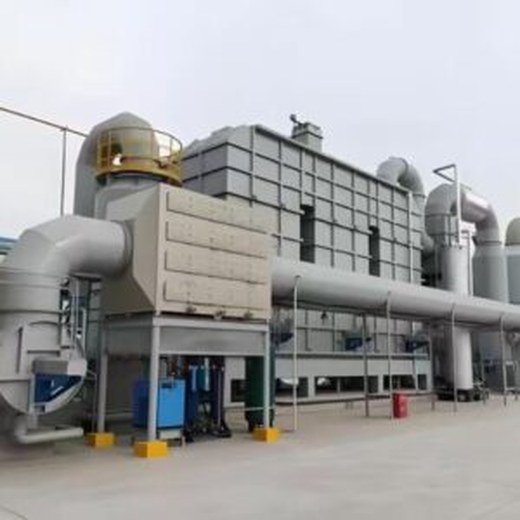
RCO
Regenerative Catalytic Oxidation
For selected VOC exhaust conditions where catalytic oxidation can reduce operating temperature.
- Suitable only after checking catalyst compatibility
- Lower oxidation temperature than thermal systems
- Requires attention to poisoning components and dust
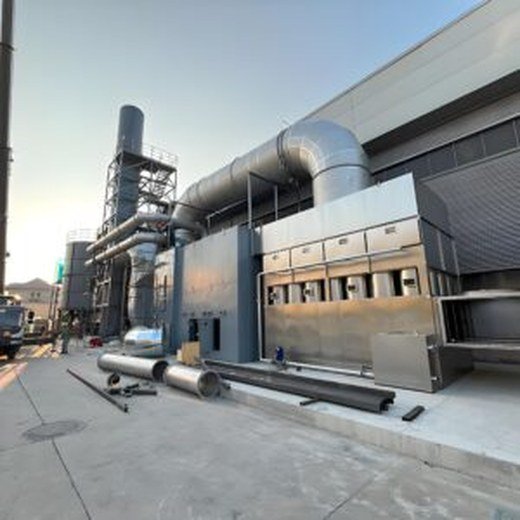
CO
Catalytic Combustion Furnace
Commonly reviewed for activated carbon desorption gas and specific lower-flow VOC treatment applications.
- Activated carbon adsorption-desorption combinations
- Compact catalytic oxidation configuration
- Needs solvent and temperature confirmation before selection
Data Needed Before Quotation
Send these details for a practical technical proposal.
Airflow and operating hoursVOC concentration and solvent listTemperature and humidityEmission targetFuel and power supplyInstallation spaceDust or mist contentExplosion safety requirements