 Request Proposal
SERNO Knowledge Center
VOC Exhaust Data Checklist Before RTO Quotation
A good quotation starts with good data. If the buyer only provides airflow, the supplier can only guess. This checklist helps plant managers, EHS teams and purchasing teams prepare the information needed for a reliable VOC treatment proposal.
Process and exhaust source list
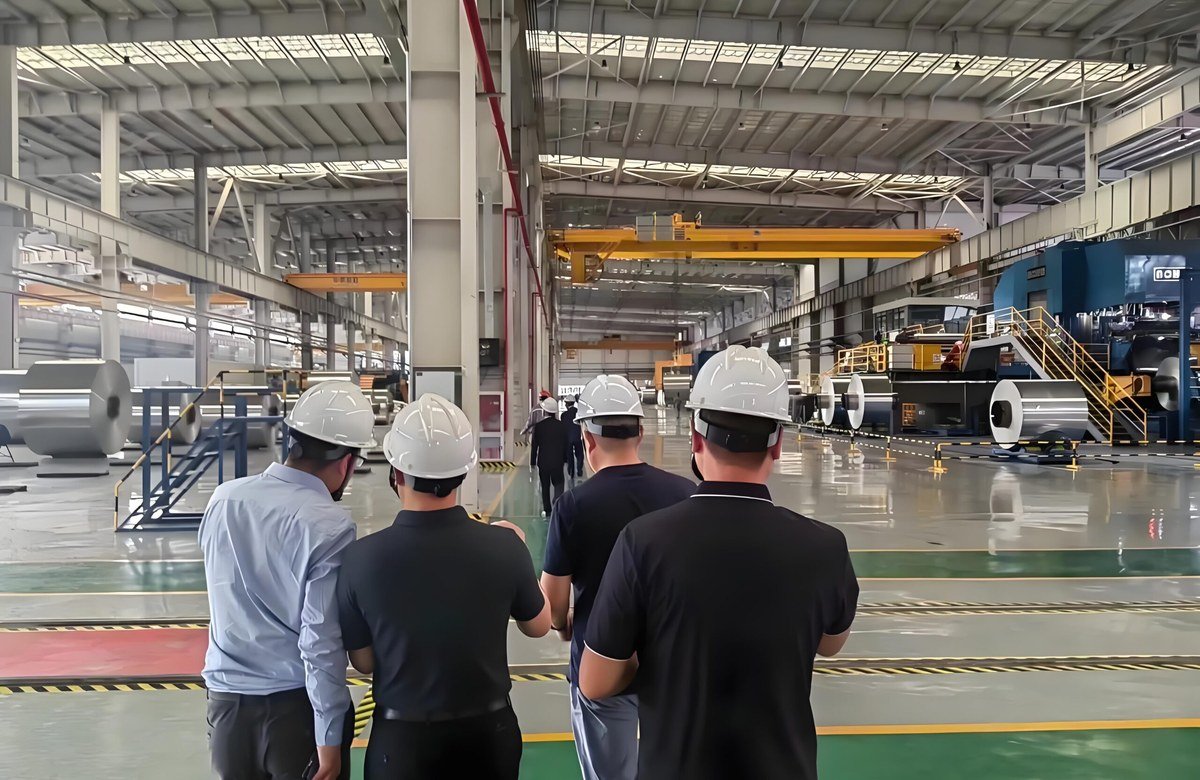
List each exhaust source separately before combining them. A production line can include oven exhaust, booth exhaust, tank ventilation, cleaning exhaust and workshop ventilation. Each stream may have different airflow, temperature and VOC concentration.
This source-by-source list helps identify high concentration streams, low concentration ventilation streams and sources that need pretreatment before entering RTO, Rotor RTO, RCO or catalytic combustion equipment.
- Production process and product type.
- Number of lines, ovens, booths or reactors.
- Airflow of each exhaust point.
- Operating hours and production schedule.
VOC concentration and solvent composition
VOC concentration should include normal value, peak value and measurement basis. A single average number is not enough because treatment equipment must handle startup, shutdown, recipe change and abnormal peaks.
Solvent composition is equally important because different VOCs have different calorific value, oxidation behavior, corrosion risk, catalyst compatibility and safety requirements.
- Normal and peak VOC concentration.
- Solvent list or SDS documents.
- High-boiling, corrosive or silicon-containing components.
- Dust, mist, resin or sticky particle content.
| Data item | Why SERNO needs it |
|---|---|
| Airflow | Equipment size, fan selection and duct design. |
| Concentration | Fuel use, safety design and technology selection. |
| Solvent composition | Oxidation temperature, corrosion and catalyst compatibility. |
| Temperature and humidity | Material, insulation, condensation and process stability. |
Site and utility information
Equipment selection also depends on the installation site. Outdoor installation, limited space, local electrical standard, fuel availability and stack requirements should be checked early to avoid redesign.
For overseas projects, utility and installation boundary should be written into the quotation clearly. This prevents misunderstanding about ducts, platforms, foundation, cranes and commissioning responsibility.
- Available footprint and height limit.
- Natural gas, LPG, electricity and compressed air conditions.
- Indoor or outdoor installation.
- Emission limit and monitoring requirement.
Documents that speed up quotation
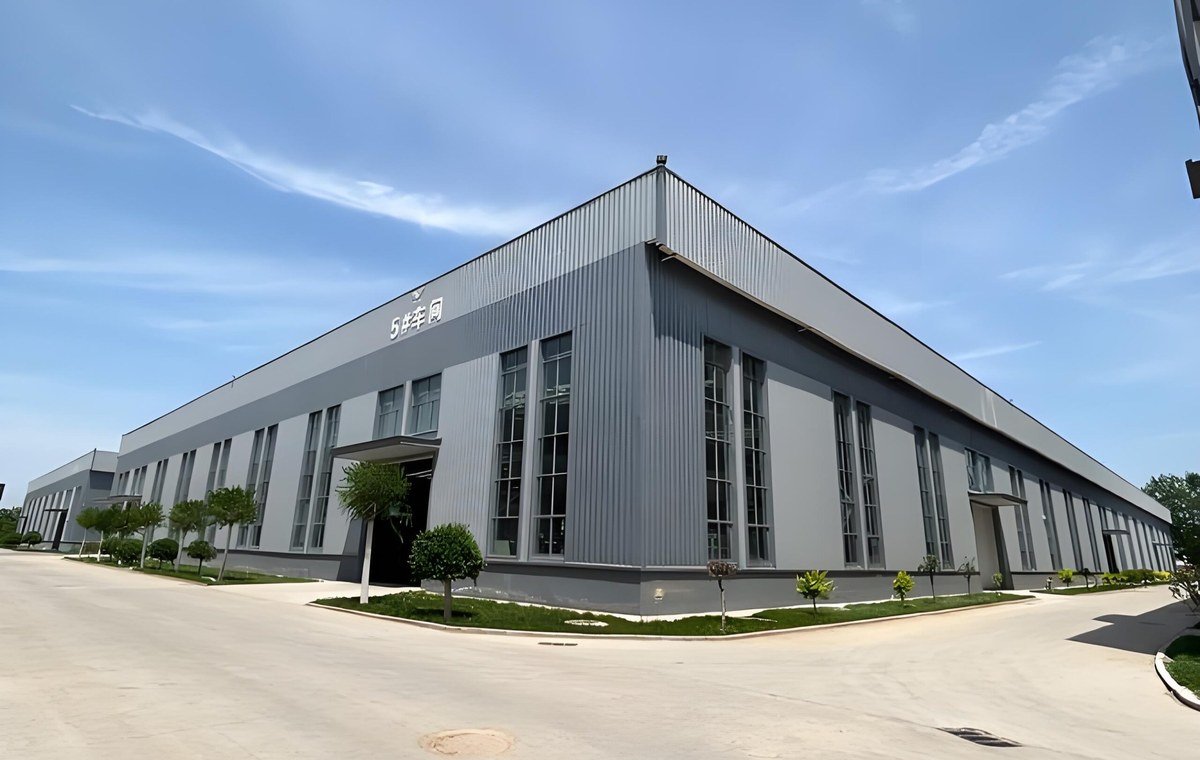
Photos, drawings and existing test reports can reduce back-and-forth communication. If the project is a retrofit, include current fan, duct, stack and emission treatment information.
The more complete the first information package is, the easier it is for SERNO to judge whether the project should use direct RTO, Rotor RTO, RCO or adsorption plus catalytic combustion.
- Workshop layout or simple process flow drawing.
- Existing exhaust test report.
- Photos of production line and duct area.
- Target delivery time and installation responsibility.
FAQ
What project data should be prepared before asking for quotation?
At minimum, prepare airflow, VOC concentration, solvent or VOC composition, exhaust temperature, humidity, dust or mist content, operating hours, emission limit and installation location. Without these data, suppliers can only give a rough direction.
Can SERNO provide only equipment or a complete system?
SERNO can discuss different supply scopes, from main equipment to a more complete package with duct interface, safety controls, electrical cabinet and engineering support. The final scope should be confirmed in the quotation boundary.
What if I do not have VOC concentration data?
SERNO can still discuss the project direction, but final equipment selection and quotation should wait for measured data or a reasonable engineering estimate.
Need a practical VOC treatment recommendation?
Send SERNO your airflow, VOC concentration, solvent composition, temperature, humidity, operating hours and emission target. We can help compare RTO, Rotor RTO, RCO and catalytic combustion options before budget quotation.
Send Project Data