 Request Proposal
SERNO Knowledge Center
RTO vs RCO: How to Choose VOC Oxidation Equipment
RTO and RCO are both oxidation technologies for VOC treatment, but they use different operating temperatures and maintenance logic. The better option depends on VOC composition, concentration, airflow, catalyst compatibility and factory operation schedule.
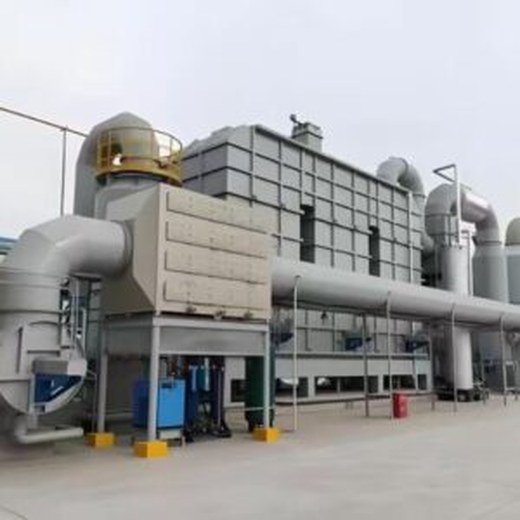
Basic difference between RTO and RCO
RTO destroys VOCs by high temperature thermal oxidation and recovers heat through ceramic media. RCO uses catalyst to reduce the oxidation temperature.
This means RCO can save energy in some applications, but catalyst cost, catalyst life and poisoning risk must be considered.
- RTO: higher oxidation temperature, strong adaptability, ceramic heat recovery.
- RCO: lower oxidation temperature, catalyst-based reaction, needs cleaner compatible exhaust.
- Both need correct safety design and stable airflow control.
When RTO is usually stronger
RTO is often selected for continuous industrial exhaust with complex solvent composition, higher concentration or where catalyst poisoning risk is difficult to control.
It is widely used in printing, coating, chemical and materials industries.
- Mixed solvents with uncertain catalyst compatibility.
- Higher concentration or high destruction efficiency demand.
- Long-term stable operation with robust heat recovery.
- Projects where catalyst replacement cost is a concern.
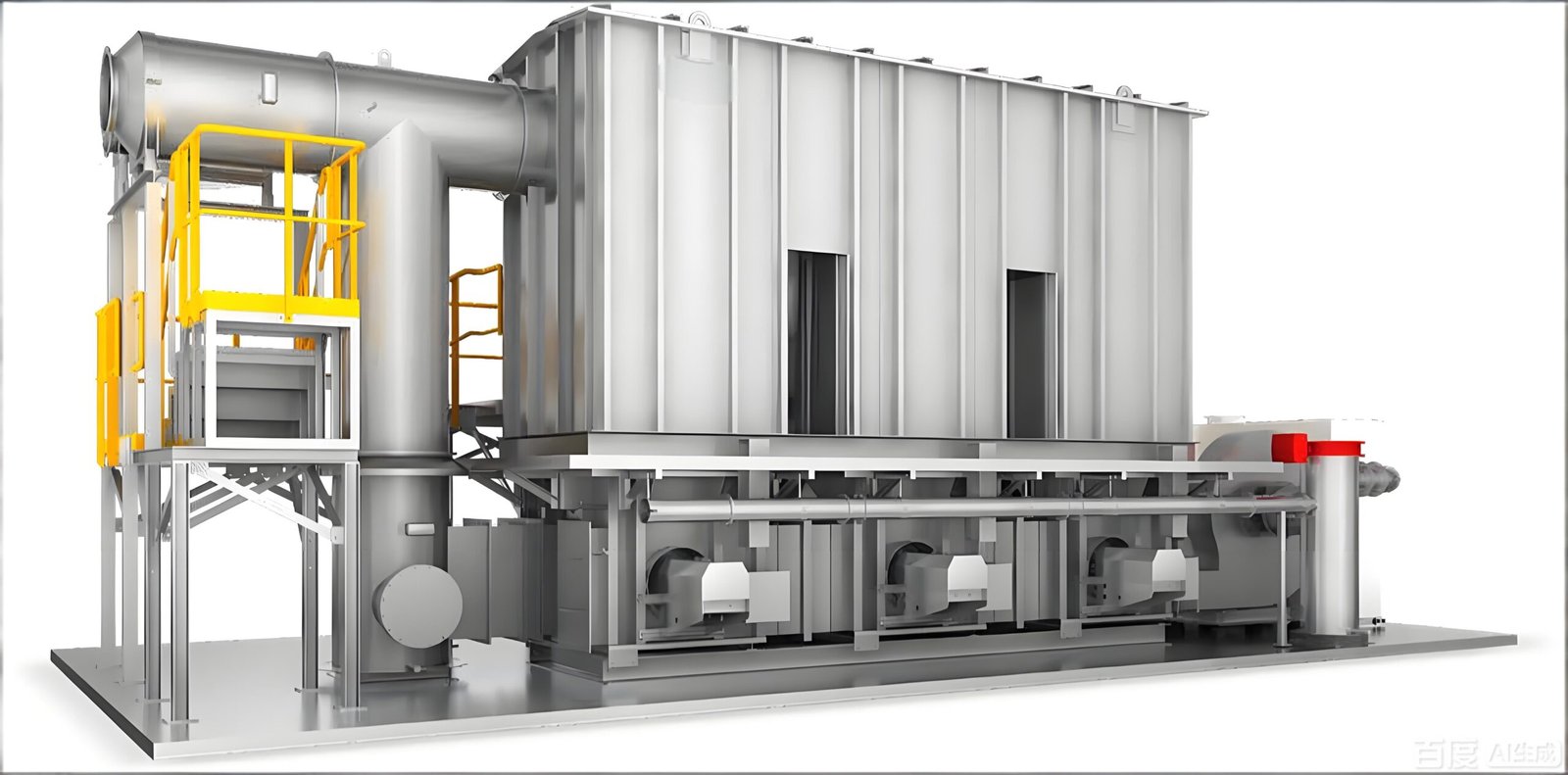
When RCO may be suitable
RCO may be attractive when VOC concentration is lower, exhaust is relatively clean, catalyst compatibility is confirmed and lower oxidation temperature can reduce fuel cost.
It is also used in adsorption desorption plus catalytic combustion systems.
- Clean exhaust with limited dust, mist and catalyst poisons.
- Suitable VOC components for catalytic oxidation.
- Operation where lower temperature saves meaningful fuel cost.
- Maintenance plan includes catalyst inspection and replacement.
How to compare total cost
The cheaper equipment is not always the cheaper project. RTO may have higher initial cost but lower sensitivity to catalyst issues. RCO may reduce fuel consumption but needs catalyst management.
Buyers should compare capital cost, fuel cost, maintenance and downtime risk together.
| Factor | RTO / RCO comparison |
|---|---|
| Oxidation temperature | RTO is higher; RCO is lower with catalyst. |
| Maintenance focus | RTO focuses on valves and ceramic media; RCO focuses on catalyst condition. |
| Best fit | RTO fits complex VOC; RCO fits clean compatible exhaust. |
| Risk | RCO needs catalyst poisoning review; RTO needs fuel and heat recovery review. |
FAQ
What project data should be prepared before asking for quotation?
At minimum, prepare airflow, VOC concentration, solvent or VOC composition, exhaust temperature, humidity, dust or mist content, operating hours, emission limit and installation location. Without these data, suppliers can only give a rough direction.
Can SERNO provide only equipment or a complete system?
SERNO can discuss different supply scopes, from main equipment to a more complete package with duct interface, safety controls, electrical cabinet and engineering support. The final scope should be confirmed in the quotation boundary.
Is RCO always more energy saving than RTO?
No. RCO has lower reaction temperature, but total cost depends on VOC concentration, catalyst life, heat recovery, operating hours and maintenance risk.
Need a practical VOC treatment recommendation?
Send SERNO your airflow, VOC concentration, solvent composition, temperature, humidity, operating hours and emission target. We can help compare RTO, Rotor RTO, RCO and catalytic combustion options before budget quotation.
Send Project Data