 Request Proposal
Rotor RTO Guide
When to Use Zeolite Rotor Concentrator + RTO for VOC Treatment
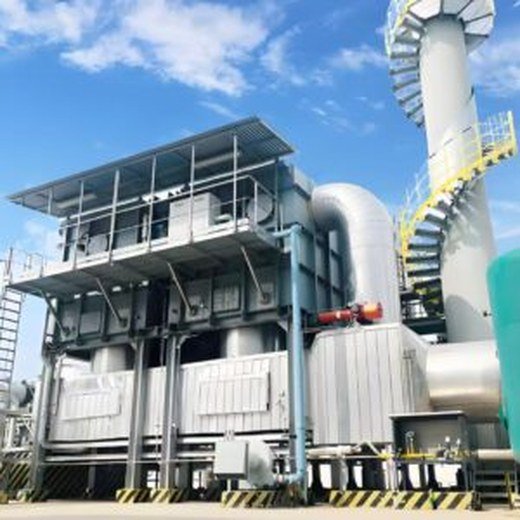
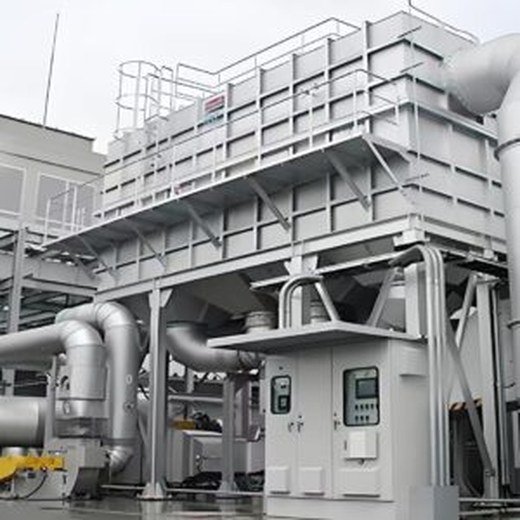
A zeolite rotor concentrator plus RTO is often reviewed when exhaust airflow is large but VOC concentration is relatively low. The rotor concentrates VOCs into a smaller desorption airflow before oxidation.
Best-fit project conditions
- Large airflow with lower VOC concentration.
- Coating workshops, electronics materials, printing ventilation or mixed collection systems.
- Long operating hours where direct oxidation would be oversized.
- Solvent composition compatible with zeolite media.
How the process works
VOC exhaust passes through the zeolite rotor adsorption zone. Cleaned air is discharged after treatment. A smaller hot desorption airflow removes concentrated VOCs from the rotor and sends them to the RTO for oxidation.
Key engineering checks
- Humidity level and condensation risk.
- Dust, oil mist and sticky component control.
- Solvent boiling point and adsorption suitability.
- Desorption temperature, purge air and fire protection logic.
- Bypass and emergency shutdown requirements.
When it may not be suitable
- High-boiling or polymerizable components that can foul the rotor.
- Heavy dust or oil mist without effective pretreatment.
- Very high VOC concentration where direct RTO may be simpler.
- Unstable process data or unclear solvent composition.
Buyer recommendation
Ask suppliers to explain the concentration ratio, rotor media suitability, pretreatment scope, safety logic and expected operating cost. A Rotor RTO proposal should not be judged only by equipment size.
Check if Rotor RTO fits your exhaust
Send airflow, VOC concentration, solvent list, humidity and dust/oil mist information. SERNO can help review process suitability.
Send project data