 Request Proposal
What Are VOCs in Factory Exhaust? A First Check Before Choosing Treatment Equipment
When a factory starts asking about exhaust-treatment equipment, the first question is often, “Do we need an RTO?” A better first question is simpler: what is leaving the process, and where is it being collected?
VOCs, or volatile organic compounds, can become vapors during manufacturing. Possible sources include solvents, inks, coatings, adhesives, cleaning, resin handling, mixing, drying, curing, printing, and chemical processes. A smell is a reason to investigate, not a compliance conclusion.
This guide is for factory owners and managers taking a first look at industrial VOC treatment. It is not a local legal opinion, a health assessment, a sampling plan, or a technology promise.
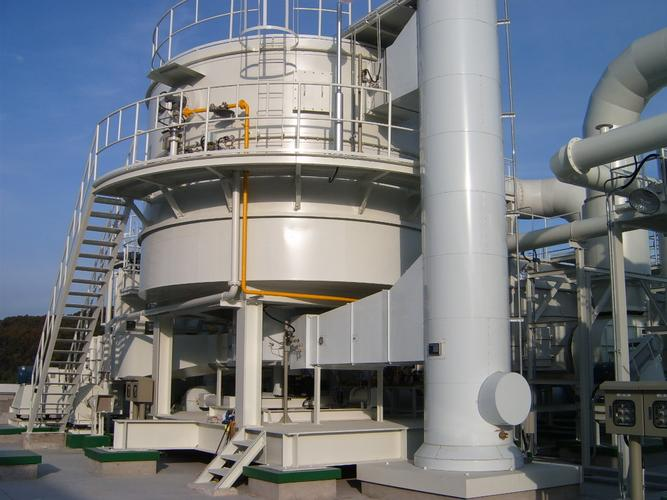
Find the source and capture point
VOCs are a category, not one gas. A factory exhaust stream may include one compound or a mixture, and can also contain moisture, particles, oil mist, or other components. The relevant details come from the actual materials, process, temperature, ventilation arrangement, and production schedule.
Walk the production route from material opening to finished product. Look for when a liquid, ink, coating, adhesive, solvent, resin, or cleaning agent is exposed to air or heated.
Common examples include:
- spray booths, flash-off areas, and curing ovens;
- printing presses, ink stations, dryers, and laminators;
- adhesive application and drying sections;
- solvent cleaning, wiping, and parts washing;
- mixing, filling, dispensing, and storage venting; and
- resin, composite, rubber, pharmaceutical, or chemical processing steps.
This is a starting list, not an equipment conclusion. The site team should connect each suspected source to the materials actually used and the process conditions actually present. The U.S. EPA offers general VOC and ground-level ozone background; confirm site obligations with the applicable local authority and qualified advisers. Sources reviewed 2026-07-24: EPA VOC background and EPA ground-level ozone basics.
The treatment unit is downstream. For each suspected source, ask: Is there a hood, enclosure, slot, canopy, oven connection, or duct branch? When does the fan run? Are other sources connected to the same duct?
Poor capture cannot be corrected simply by choosing a larger downstream unit. A defined capture boundary gives a future review a clearer basis for judging ductwork, pretreatment, fan arrangement, and treatment options.
Make a simple first inventory
You do not need to solve the project during the first walk-through. Record what you can verify and leave unknown items marked as unknown.
| What to record | Practical question | Why it helps |
|---|---|---|
| Process step | What operation is taking place? | Links exhaust to a real production activity. |
| Material | Which coating, ink, adhesive, solvent, resin, or cleaner is used? | Points to SDS and chemistry information. |
| Capture point | Where is the vapor collected or vented? | Defines the possible treatment boundary. |
| Operating pattern | Continuous, batch, intermittent, or seasonal? | Helps compare suitable operating approaches. |
| Existing controls | Fan, duct, filter, carbon, scrubber, or no system? | Avoids overlooking installed equipment and interfaces. |
| Changes | New material, line, product, or production rate? | Helps explain why the question arose now. |
| Local requirement | Which permit, standard, inspection item, or authority applies? | Keeps the assessment tied to the actual jurisdiction. |
If available, include current SDS documents, a process/duct sketch, and a record of when each line operates. Formal sampling and regulatory interpretation should use appropriate qualified support where required.
Do not mix dust, acid mist, and VOC vapors into one equipment decision
Dust, acid or alkaline gas, oil mist, moisture, and organic vapors can need different collection, pretreatment, and control approaches. A process can contain more than one contaminant.
For example, significant particulate or mist may need pretreatment before an oxidation system. The actual route must be based on the stream and installed process, not a generic product name.
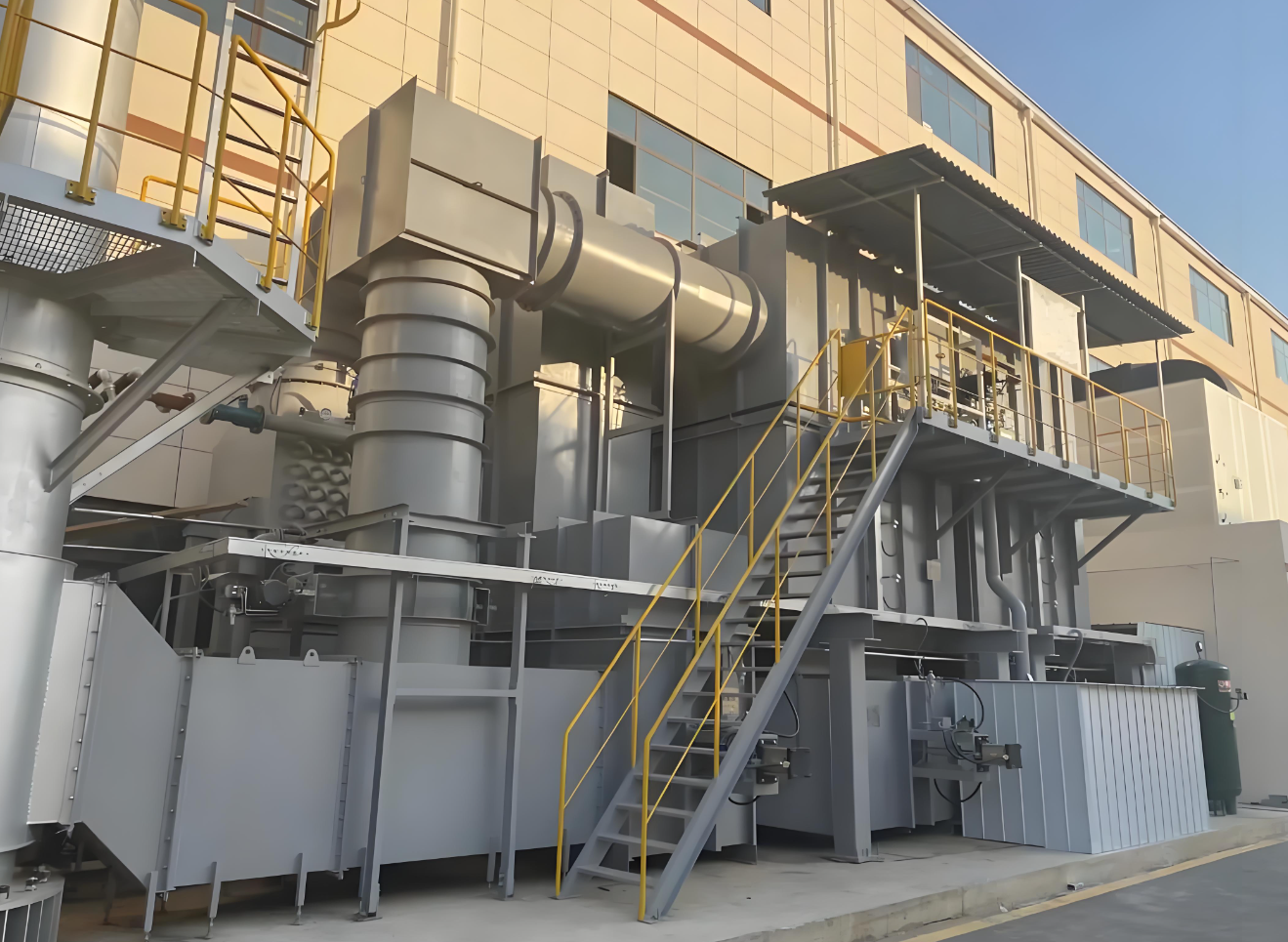
Where RTO may fit, and where the evaluation must continue
A regenerative thermal oxidizer (RTO) is a commonly considered route for some continuous organic-VOC exhaust duties. It is not the automatic answer for every factory, every concentration range, or every process schedule.
Before treating RTO as a candidate, a project team still needs the stream, airflow pattern, operating hours, material compatibility, pretreatment needs, installation space, utilities, and local requirements. Other routes can include source reduction, capture improvement, adsorption, catalytic oxidation, concentration systems, or combinations.
SERNO’s RTO system selection guide gives a broader overview of the selection conversation. For a later quotation-stage handoff, see the VOC exhaust data checklist. Those articles come after the first source-and-capture check described here.
A five-question factory self-check
Use these questions to decide whether it is time to prepare for a more structured review:
- Which production steps use or heat materials that may release vapors?
- Where are those vapors captured, ventilated, or discharged today?
- What do the current SDS documents and process records say about the materials?
- When does each exhaust point run, and which lines share a fan or duct?
- Which local permit, inspection, emission, workplace, or environmental requirements need to be checked?
If several answers are unclear, gather information before making an equipment commitment. A basic process/exhaust map makes a later technical discussion more specific.
FAQ
Does a solvent smell prove that our factory has a VOC compliance problem?
No. A smell is not a compliance conclusion or a measurement. It can indicate that a process and exhaust path should be reviewed. The applicable requirements, compounds, exposure considerations, and testing approach depend on the site and jurisdiction.
Is every coating or printing line a fit for an RTO?
No. RTO can be considered for some organic-VOC duties, but the right route depends on the actual exhaust stream, operating pattern, capture arrangement, pretreatment needs, installation conditions, and local requirements.
What should we prepare before asking for an industrial VOC treatment proposal?
Start with the process list, material/SDS information, capture and duct sketch, operating schedule, existing controls, known changes, and the relevant local requirement. Do not invent airflow, concentration, or performance figures if they have not been measured or verified.
Can an existing dust collector or scrubber solve VOC vapors?
Not necessarily. Different contaminants can require different approaches. Identify the actual stream and any combined contaminants before deciding whether an existing system is sufficient or what additional treatment may be needed.
Start with the exhaust stream, not the equipment name
SERNO can help frame an early technical conversation around your process, materials, capture points, operating pattern, and available project information. Send the documents and site details you are permitted to share. Any final technology selection, compliance conclusion, installation scope, and operating decision must be confirmed for the installed process and applicable local requirements.