 Request Proposal
RTO Refractory Lining Inspection: Find Hot-Spot Evidence Before Restart
Refractory lining is a pressure, temperature and personnel-protection boundary inside an RTO. Cracks, displaced modules, open joints or exposed anchors can create local hot spots and accelerate shell damage. A restart decision should be based on evidence, not on whether the burner can light.
1. Define the inspection boundary
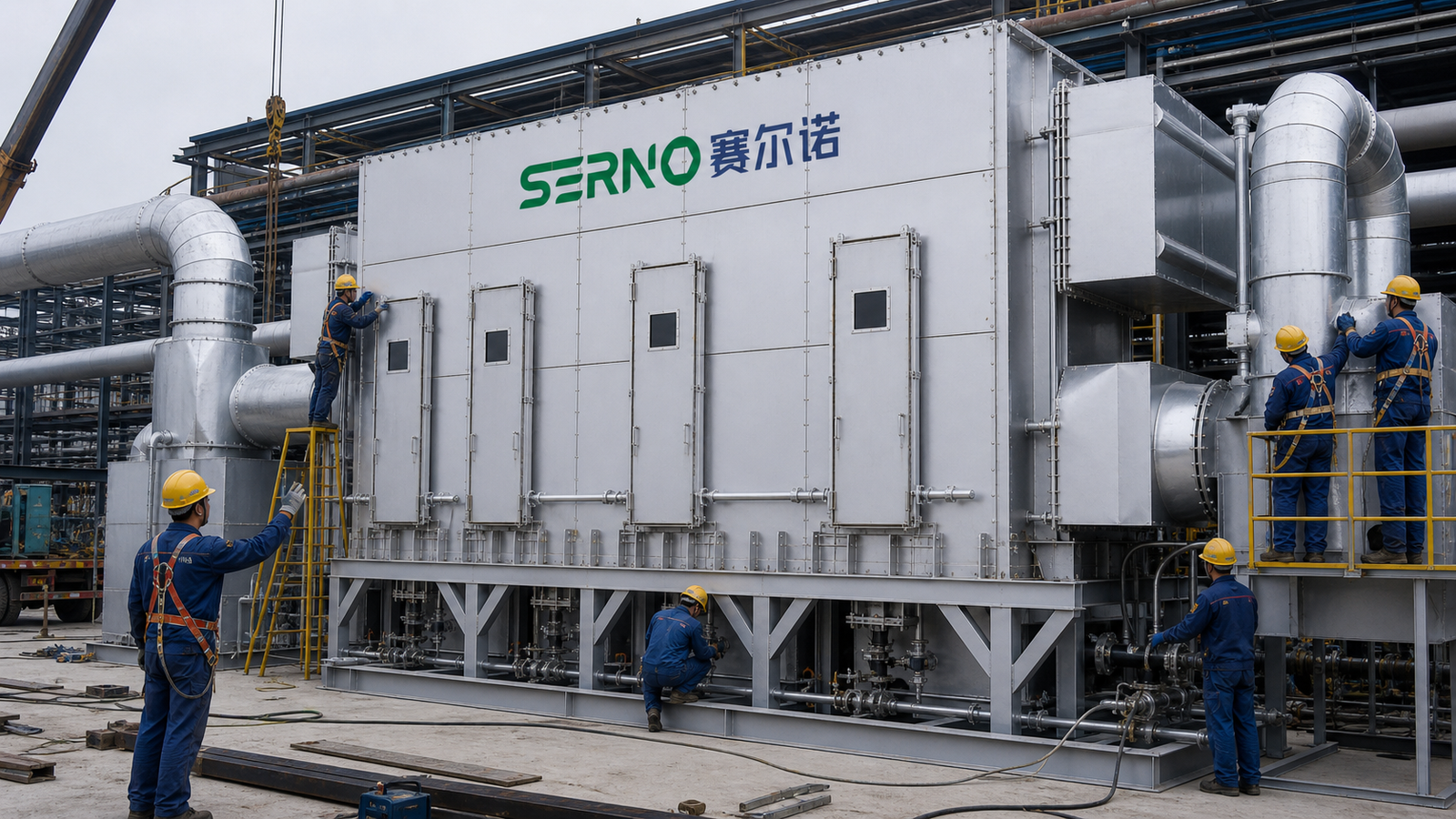
Mark chambers, transition ducts, burner quarls, access openings, expansion joints and shell penetrations on the inspection drawing. Record the operating case, isolation point, cooldown condition and areas not safely accessible.
2. Look for five physical failure modes
Inspect for missing fiber or brick, spalling, through-cracks, lifted edges, open joints and exposed anchors. Photograph each indication with a location reference and scale. Do not infer remaining thickness from color alone.
3. Correlate hot spots with operating evidence
Compare shell-temperature readings, historical trends, burner balance, chamber pressure and recent trip history. A single infrared reading is screening evidence; emissivity, distance and reflected heat can change the apparent temperature.
4. Check anchors, retainers and expansion joints
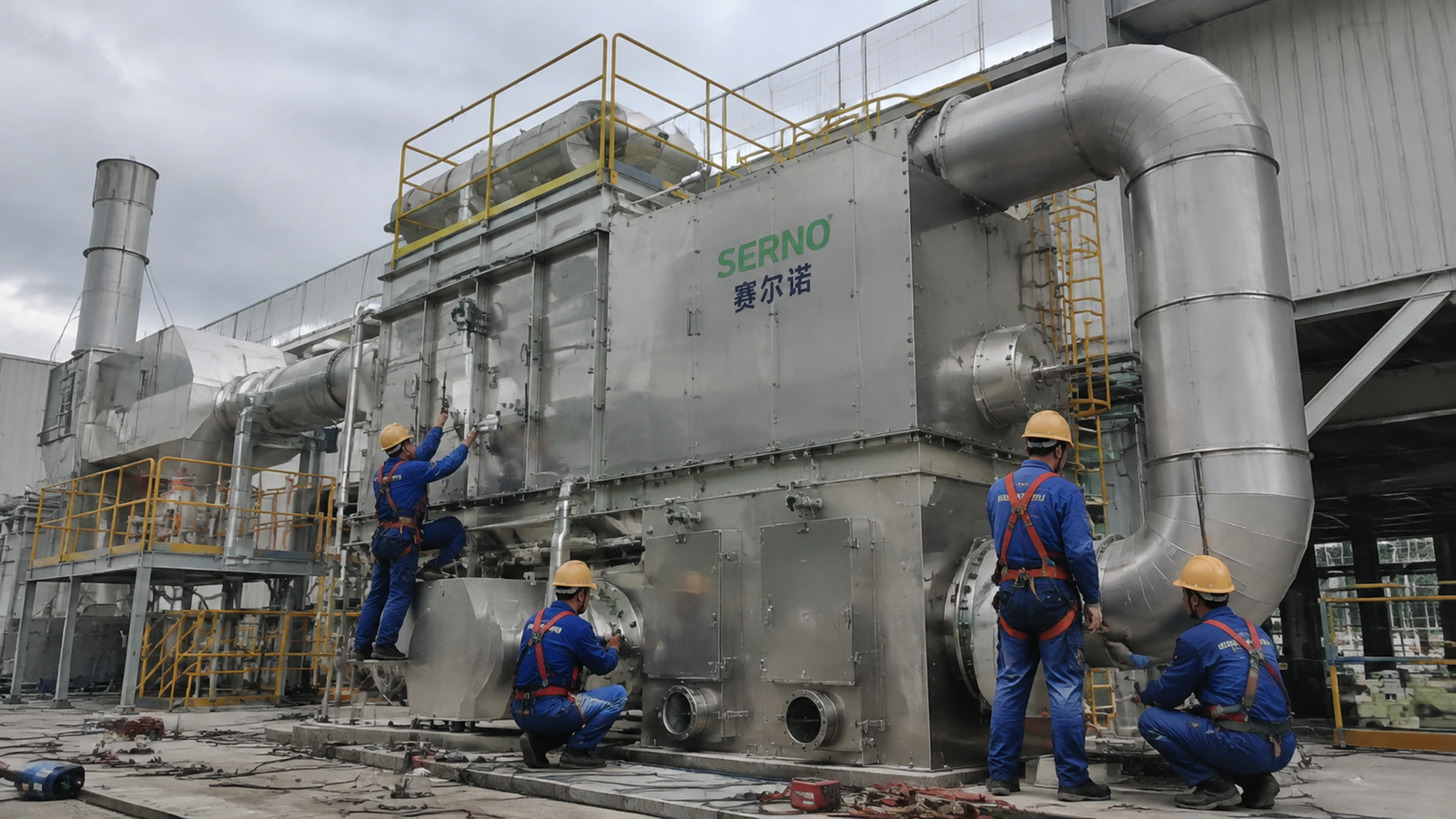
Confirm that anchors are not visible where they should be covered, retainers are secure, and expansion joints have the specified movement space. Debris or hard repair material that bridges a joint can transfer stress into the lining.
5. Separate repair scope from restart scope
Classify each finding as monitor, engineered patch, module replacement or full outage repair. The classification should state the affected zone, temporary controls, inspection hold point and acceptance evidence. Do not invent a universal temperature or thickness limit; use the equipment design and approved repair procedure.
6. Build a restart release record
The release pack should include marked-up photos, inspection date, accessible-area statement, repair materials and batch records where applicable, cure/dry-out evidence, cleared debris, closed permits and responsible sign-off. Link the record to the next controlled warm-up.
7. Use a practical evidence matrix
| Finding | Evidence to collect | Typical decision path |
|---|---|---|
| Surface crack | location, width trend, depth indication | monitor or engineered repair |
| Missing module | measured area, anchor condition, photo | replace before restart |
| Open expansion joint | gap, debris, movement clearance | clean and engineer disposition |
| Shell hot spot | calibrated trend and operating case | investigate lining and process cause |
| Exposed anchor | photo and surrounding material condition | repair before heat-up |
FAQ
Can a visible crack always stop restart?
No. Its depth, location, growth evidence and effect on the boundary must be assessed under the approved engineering procedure.
Is an infrared camera enough to accept the lining?
No. Thermal imaging helps locate anomalies but should be correlated with visual inspection, operating history and instrument limitations.
What should procurement ask for in a lining repair quote?
Ask for zone drawings, material system, anchor details, curing/dry-out method, inspection hold points, exclusions and close-out documentation.
Conclusion and CTA
Treat refractory inspection as a documented restart gate. SERNO can help buyers define an RTO inspection and repair scope around the actual chamber geometry, operating case and evidence required for safe handover. Contact SERNO to discuss your VOC exhaust treatment project.