 Request Proposal
RCO Performance-Test Sampling Plan: Validate the Data Before You Judge the Catalyst
An RCO performance test is only as useful as its measurement boundary. A precise analyzer reading can still mislead when inlet and outlet samples represent different operating periods, sample lines retain compounds, moisture handling changes the basis, or the oxidizer is not at a comparable stable condition.
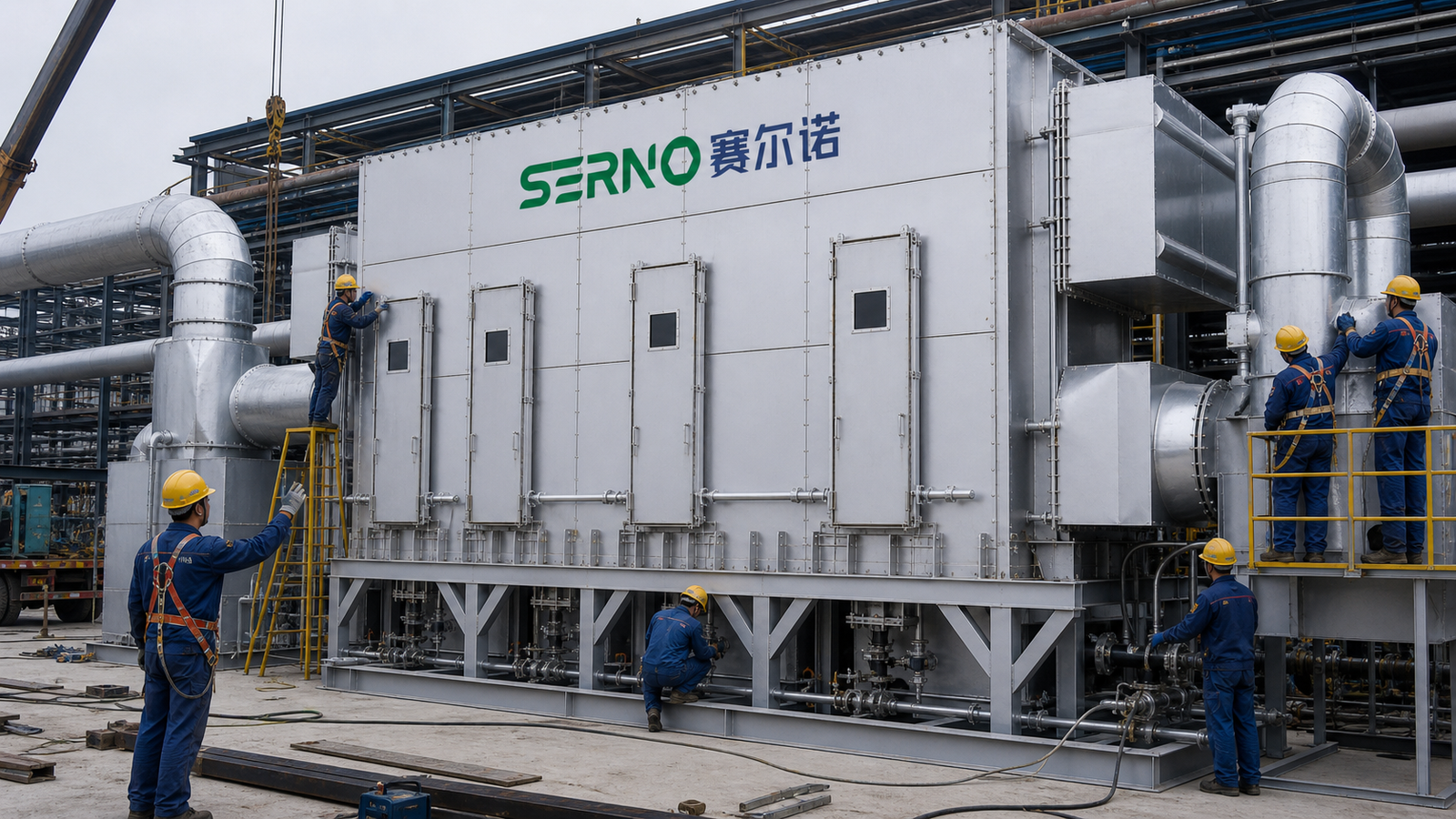
This guide helps owners, commissioning teams and procurement reviewers prepare an RCO performance-test sampling plan. It is an engineering checklist, not a substitute for an approved site protocol, a qualified testing provider or the method required by the applicable authority.
1. Define the question and test boundary first
State what the test is intended to establish: a contractual acceptance metric, a troubleshooting comparison, or an internal operating baseline. Identify the exact inlet and outlet locations, trains included, bypass lineup, relevant upstream sources and the process boundary represented by each sample. A concentration comparison cannot establish a mass-emission result unless flow, basis and calculation requirements are also defined.
Write down the metric and reporting basis before mobilization. Confirm units, dry or wet basis, reference conditions, averaging interval, treatment of non-detects and the required method with the responsible engineer and qualified test provider. Do not infer regulatory compliance criteria from a general engineering guide.
2. Choose sampling locations that represent the gas stream
Map each sample point to a drawing or field photograph. Check whether the location has adequate mixing and access and whether nearby elbows, dampers, injection points, leaks or recirculation paths could bias the sample. Inlet and outlet locations should represent the intended process boundary, not a convenient but unrepresentative tap.
Where a traverse or multiple-point approach is required, let the approved method and qualified provider define it. Record probe orientation, point identification, access constraints and any deviations. A point sample and a cross-sectional average are not interchangeable simply because both produce a number.
3. Verify the complete sample train
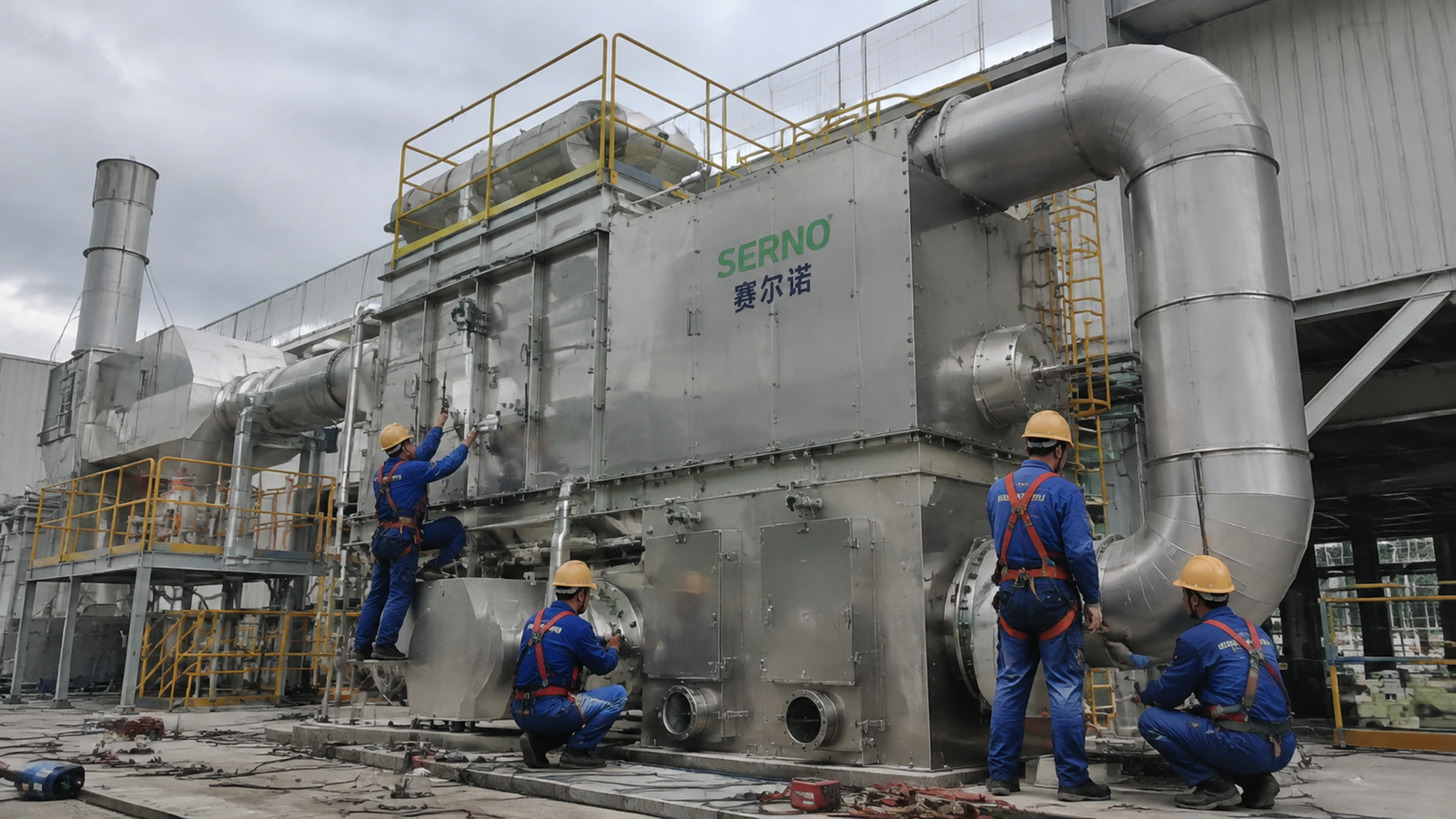
Treat the probe, filter, heated or conditioned line, pump, moisture management, fittings and analyzer as one measurement system. Confirm materials and temperatures are appropriate for the compounds expected, inspect for leaks and contamination, and document line length and conditioning configuration. Adsorption, condensation, carryover and long response time can distort transient or low-level readings.
Before testing, perform the checks required by the approved protocol, such as leak checks, zero/span checks, response verification and calibration-gas traceability. Record instrument identity, range, resolution, calibration status, check results and any maintenance. A display value alone is not evidence that the whole sampling chain was fit for purpose.
4. Synchronize inlet, outlet and operating records
RCO inlet and outlet conditions may change while samples are collected. Build a time plan that accounts for sample-line lag, analyzer stabilization, traverse time and any sequential sampling arrangement. If inlet and outlet are not measured simultaneously, document how the process was shown to be sufficiently stable during the comparison.
Capture the relevant operating context on the same time base: process source or production state, flow or fan condition where available, bed inlet and outlet temperatures, differential pressure, bypass and damper lineup, alarms, analyzer status and sample timestamps. The exact signals depend on the installed system and approved protocol. Do not turn a changing production period into a single unqualified average.
5. Set data-validity and repeat rules before the run
Agree in advance how the team will handle analyzer faults, unstable process conditions, failed checks, unexpected bypass movement, sample-line interruption, out-of-range values and missing timestamps. Define when to pause, repeat or invalidate a run, who makes that decision, and how the reason is recorded. This prevents post hoc selection of only favorable intervals.
Use repeat measurements where the protocol calls for them and preserve all valid and invalidated run records with reasons. Summaries should show the individual run values, operating window and any exclusions, not only a selected headline number. Measurement uncertainty and method limitations should be reviewed by the responsible testing professional.
6. Separate concentration, flow and performance claims
Inlet and outlet concentrations can support a concentration-based comparison when collected and reported on a consistent basis. They do not alone establish total mass emissions, destruction efficiency or contractual acceptance unless the required flow measurements, corrections, operating conditions and calculation method are included.
Keep the raw observations, corrected values and calculations traceable. Document moisture correction, oxygen or reference-condition correction only when the approved method requires it, and show the formula and source inputs. Avoid mixing wet-basis and dry-basis readings or combining non-concurrent flow and concentration data without an accepted calculation method.
7. Build a test-day record and release package
Prepare a single test sheet linking sample IDs to locations, timestamps, analyzer checks, operating conditions, deviations and responsible personnel. Attach the approved protocol, field notes, calibration evidence, instrument configuration, process trends and calculations. Record custody and review steps according to the site and testing-provider procedure.
Before releasing a result, verify that each required sample maps to the stated boundary, required checks passed, operating conditions met the approved window, deviations were dispositioned and calculations can be independently reproduced. If a required condition was not met, report the limitation instead of implying acceptance.
RCO performance-test sampling checklist
| Evidence area | Minimum record | Review question |
|---|---|---|
| Test objective | Metric, boundary, protocol owner | What decision will the result support? |
| Sampling points | Drawing/photo, location and access notes | Do samples represent the intended streams? |
| Sample train | Probe, line, conditioning and analyzer configuration | Could loss, carryover or moisture alter the reading? |
| Analyzer readiness | Identity, range, calibration and required checks | Was the measurement system fit for this run? |
| Time alignment | Sample start/end, lag and process timestamps | Did compared samples represent a comparable period? |
| Operating context | Flow, temperatures, lineup, alarms and source state as applicable | Was the approved operating window achieved? |
| Validity decisions | Repeats, exclusions, reasons and approver | Can every reported run be audited? |
| Calculations | Raw data, corrections, units and formula | Can another reviewer reproduce the result? |
FAQ
Can inlet and outlet readings be collected sequentially?
They can only support a comparison when the approved protocol permits it and the team documents that process conditions remained sufficiently comparable, including sample lag and analyzer stabilization. If the process changes materially between readings, the comparison may not represent treatment performance.
Does an outlet concentration prove an RCO removal efficiency?
No. A removal calculation requires a defined inlet and outlet basis, representative samples and the calculation method specified for the test. Flow and other corrections may also be required for the intended claim.
Should a failed analyzer check be averaged into the result?
Do not decide after seeing the result. Follow the pre-agreed validity and repeat rules in the approved protocol, document the failed check and preserve the record and disposition.
Who should approve the sampling method?
The site’s responsible engineer, applicable authority requirements and qualified testing provider should establish the method and acceptance basis. This general checklist does not replace that approval.
Conclusion and CTA
A defensible RCO performance test begins before the analyzer is switched on: define the question, choose representative locations, verify the sample train, synchronize measurements and agree on validity rules. SERNO supports industrial VOC-treatment projects with RTO, rotor RTO, RCO and catalytic-combustion systems. Contact the SERNO technical team to discuss the project boundary and evidence package for your VOC-treatment application.