 Request Proposal
RCO Catalyst Replacement Acceptance: Prove the New Bed Is Ready for Performance Testing
Replacing an RCO catalyst is not complete when the modules are inside the housing. The acceptance decision should prove that the correct material was received, the bed boundary was restored, the gas path is uniform and the operating team has a defensible baseline before performance data is collected.
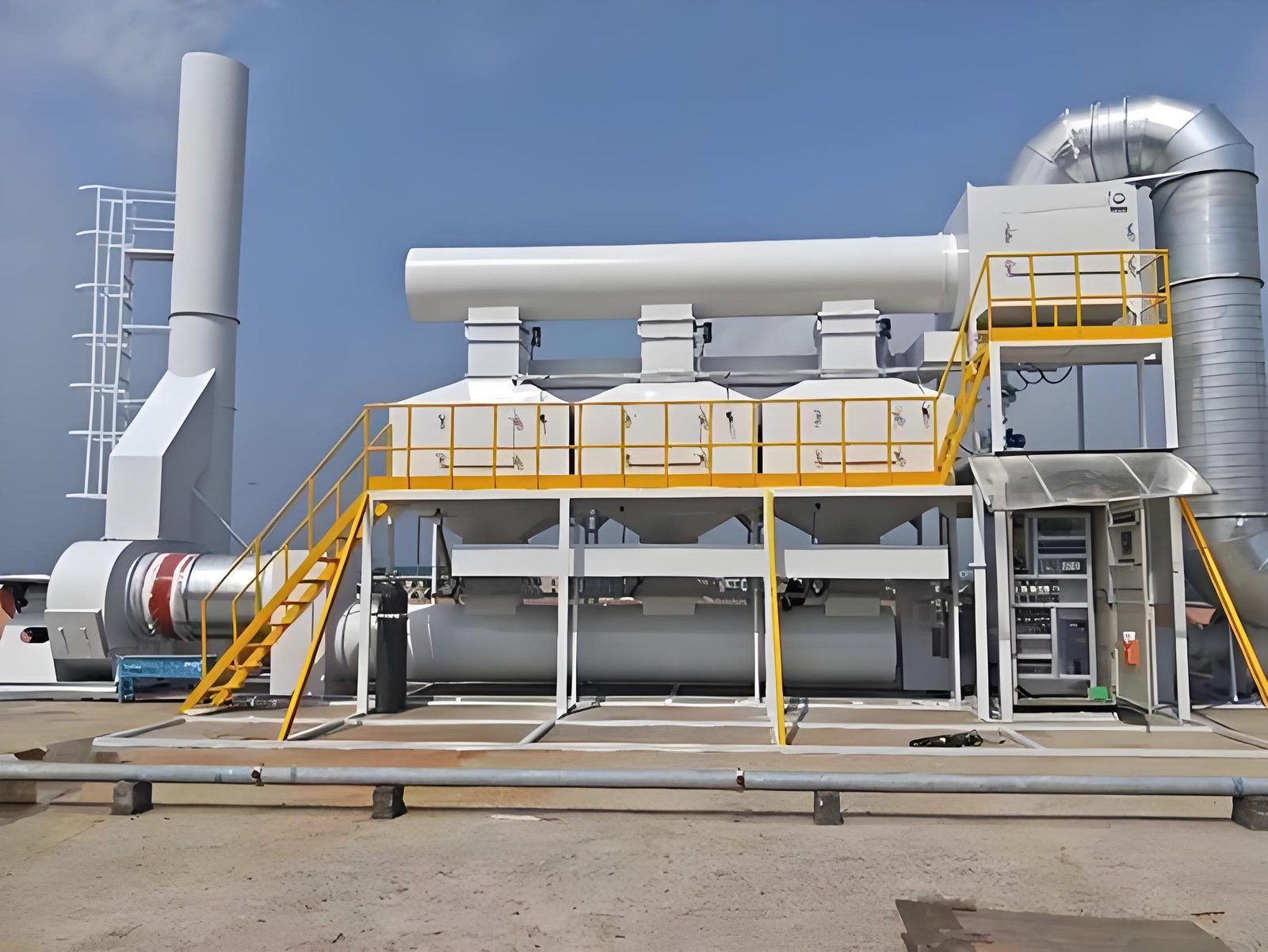
This guide gives plant owners, EPC teams and procurement managers a practical release sequence without inventing a guaranteed removal efficiency or a customer result.
1. Freeze the acceptance boundary
Define the exact catalyst scope: housing, support screen, retainers, gaskets, access doors, thermocouples, bypasses and upstream pretreatment. Record what was replaced, what was inspected and what remains outside the contractor’s scope.
2. Match receiving records to the approved basis
Check supplier documentation, lot identification, module count, dimensions, packing condition and storage history against the approved purchase and design basis. Photograph labels and damage before unpacking. Do not treat a generic certificate as proof that the installed bed matches the intended chemistry or geometry.
3. Preserve loading and bed-closure evidence
For each layer or module, retain a marked layout, orientation, quantity, installation date and installer sign-off. Record support screens, retainers and expansion allowances before closing the access door. A signed checklist is stronger than a verbal confirmation after the housing is sealed.
4. Establish a clean pressure-drop baseline
Measure differential pressure only after confirming the same test boundary, flow direction, damper position and instrument status. Record flow, temperature, pressure, humidity where relevant and the exact taps used. A baseline is a reference for future fouling or channeling; it is not by itself proof of conversion performance.
5. Verify gas distribution and bypass integrity
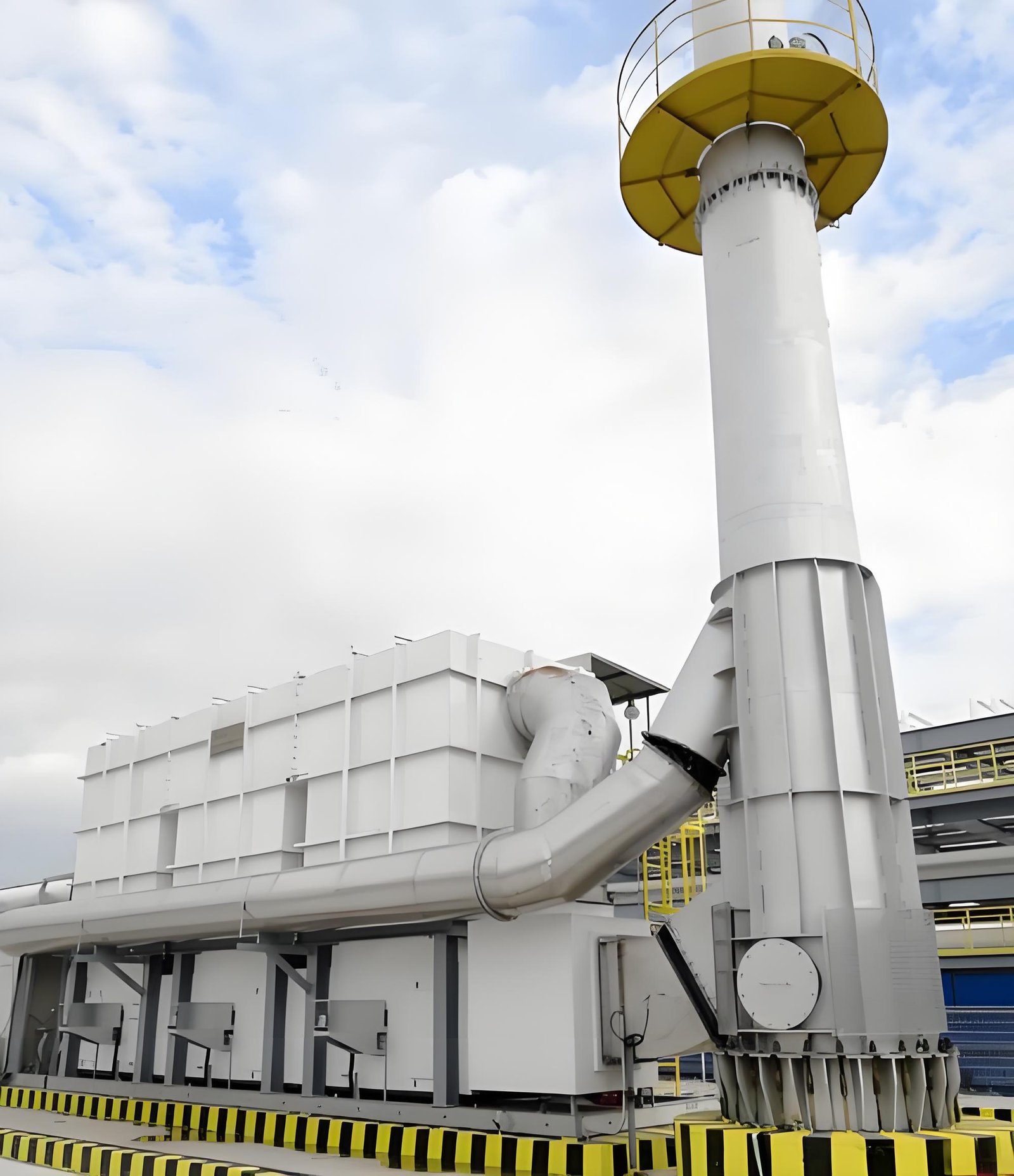
Inspect distributors, turning vanes, screens, seals and bypass dampers for obstructions or unintended paths. Confirm that inspection covers and access doors are sealed and that the intended process route is selected. If the system has multiple trains, document the train identity and lineup used for the baseline.
6. Check controls, safeguards and instrumentation
Before a performance test, verify temperature inputs, pressure transmitters, analyzer sampling, alarms, trips and permissives. Compare field indications with the control system and record calibration status. Any temporary jumper or inhibited trip must have an owner, reason and removal point.
7. Release a controlled first run
Use a staged release: dry mechanical inspection, low-risk circulation or warm-up, stable operating window, then the agreed performance-test condition. Define hold points for abnormal pressure drop, temperature spread, unexpected VOC readings or bypass movement. The acceptance pack should identify who can stop the run and what evidence is required to resume.
8. Build an acceptance dossier procurement can defend
Combine purchase records, receiving photos, loading map, inspection checklist, instrument status, baseline readings, punch-list closure and sign-offs. Keep open items visible instead of burying them in a final completion statement.
RCO catalyst replacement acceptance checklist
| Evidence block | Minimum record | Release question |
|---|---|---|
| Material identity | Lot, quantity, dimensions, storage record | Is the received catalyst the approved item? |
| Installation | Layer/module map, orientation, installer sign-off | Can the installed geometry be reconstructed? |
| Mechanical boundary | Screens, retainers, gaskets, doors, bypasses | Is the intended gas path closed and available? |
| Instruments | Calibration/status and field-to-PLC comparison | Can the baseline be trusted? |
| Baseline | Flow, temperature, pressure drop and lineup | Is there a repeatable reference condition? |
| Punch list | Owner, due date, risk and release authority | Is every open item visible before testing? |
FAQ
Is a supplier certificate enough to accept an RCO catalyst replacement?
No. It supports material identity, but acceptance also needs installation, mechanical-boundary, instrumentation and operating evidence.
Should pressure drop be measured before or after the performance test?
Capture a controlled baseline before the performance test, then repeat it under comparable conditions. The two readings serve different diagnostic purposes.
Can a plant run with open punch-list items?
Only when the responsible engineer documents the risk, compensating controls, owner and release authority. Safety-critical or boundary defects should block the run.
What should procurement request before closing the order?
Request the final acceptance dossier, not only an invoice or delivery note: receiving records, loading evidence, inspection results, baseline data and signed punch-list disposition.
Conclusion and CTA
An RCO catalyst replacement is ready for performance testing when the material, installation, flow boundary, instruments and release decision are traceable. SERNO supports industrial VOC-treatment projects with RTO, rotor RTO, RCO and catalytic-combustion solutions. Contact the SERNO technical team to discuss the evidence package your project should require before test acceptance.