 Request Proposal
SERNO Knowledge Center
RTO Systems for Printing and Flexible Packaging VOC Exhaust
Printing and flexible packaging factories often release solvent VOCs from ink, adhesive, coating and drying sections. A good treatment system must handle changing production speed, solvent mix, temperature and safety requirements.
Where VOC exhaust comes from in printing plants
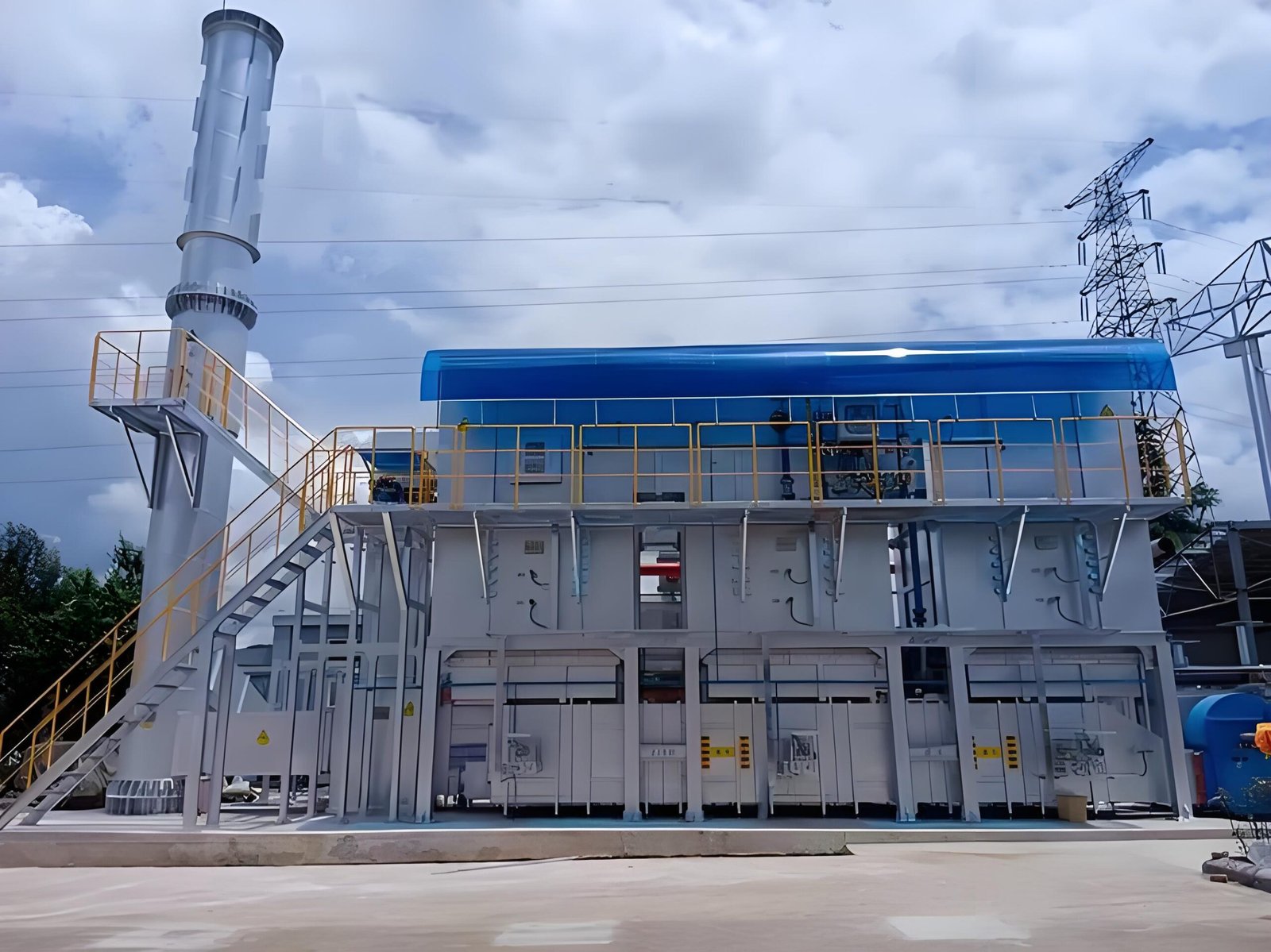
In gravure printing, flexographic printing and laminating workshops, VOC exhaust is usually connected to drying ovens, coating heads, adhesive sections and sometimes cleaning areas.
Each source may have different temperature and concentration, so combining them without analysis can make the treatment system unstable.
- Drying oven exhaust with higher temperature and solvent concentration.
- Workshop ventilation exhaust with lower concentration.
- Adhesive or coating line exhaust.
- Cleaning solvent exhaust with intermittent peaks.
Direct RTO or Rotor RTO for printing exhaust
Direct RTO can be suitable when concentration is stable and the exhaust stream has enough calorific value. Rotor RTO may be reviewed when airflow is large but VOC concentration is low, or when several low concentration exhaust points are combined.
The right choice depends on measured data rather than industry name alone.
- Direct RTO: simpler process, suitable for stable medium concentration exhaust.
- Rotor RTO: concentrates low concentration exhaust before oxidation.
- Pretreatment: needed when sticky particles, mist or dust may block media.
Safety and energy points
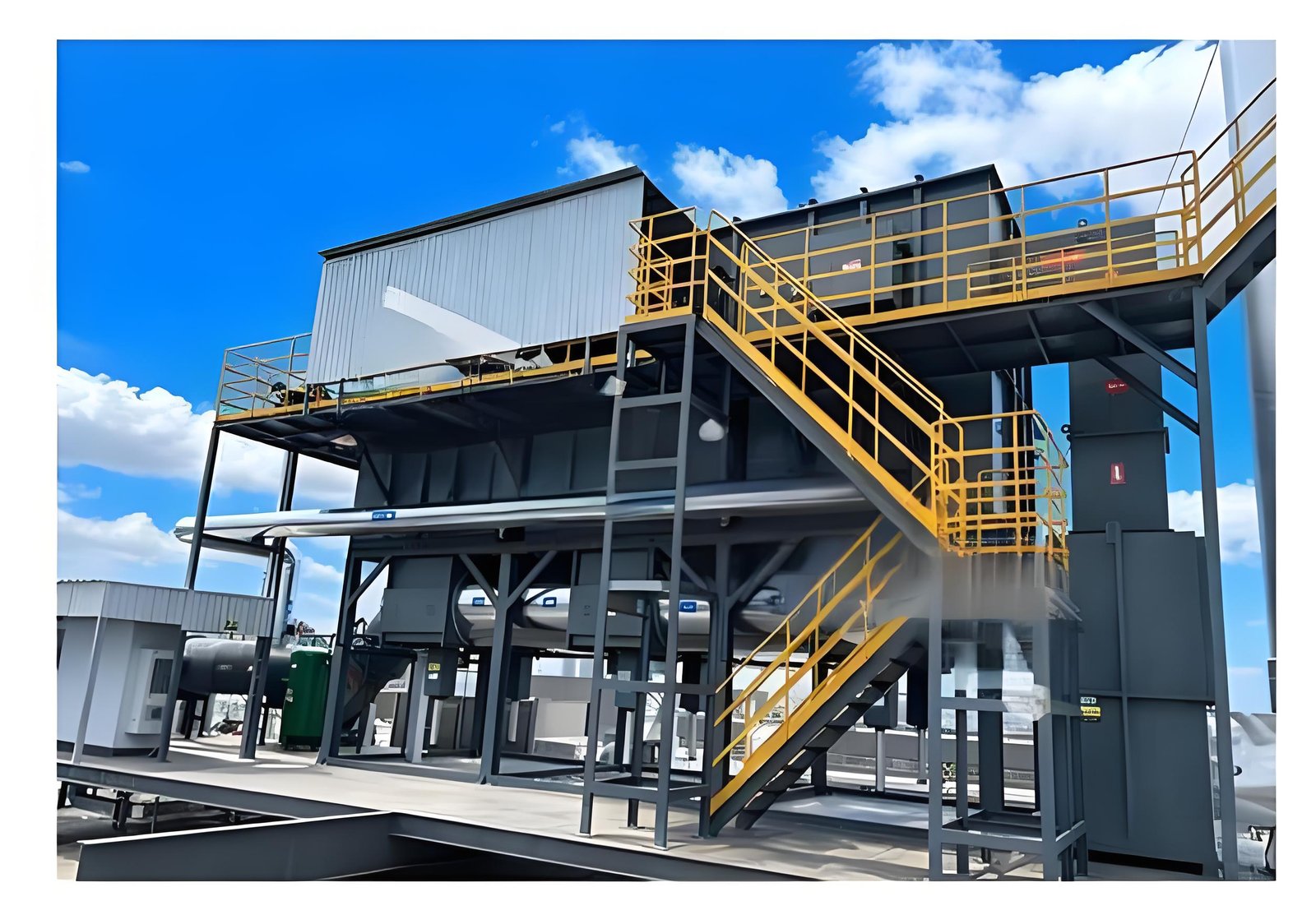
Printing solvents can have relatively low flash points, so LEL monitoring and emergency dilution are important. Energy performance should also be checked because many lines run long hours.
Heat recovery and concentration ratio can strongly affect fuel use.
- Confirm normal and peak VOC concentration.
- Set LEL alarm and interlock strategy.
- Review waste heat reuse possibility for drying process.
- Check fan pressure and duct leakage.
Information SERNO needs from the buyer
A practical printing VOC inquiry should include more than factory size. SERNO needs production process, number of lines, airflow of each oven, solvent list, working hours and emission limit.
Photos or drawings of the workshop layout can also help with duct and equipment placement.
| Data | Example |
|---|---|
| Production process | Gravure printing, flexographic printing, laminating, coating. |
| Solvents | Ethyl acetate, IPA, toluene, MEK or mixed solvents. |
| Operation | Hours per day, shifts per week, seasonal changes. |
| Target | Local emission limit, odor control and energy requirement. |
FAQ
What project data should be prepared before asking for quotation?
At minimum, prepare airflow, VOC concentration, solvent or VOC composition, exhaust temperature, humidity, dust or mist content, operating hours, emission limit and installation location. Without these data, suppliers can only give a rough direction.
Can SERNO provide only equipment or a complete system?
SERNO can discuss different supply scopes, from main equipment to a more complete package with duct interface, safety controls, electrical cabinet and engineering support. The final scope should be confirmed in the quotation boundary.
Can printing exhaust enter the RTO directly?
Sometimes yes, but sticky ink mist, particles and high-boiling components should be checked first. Pretreatment can protect valves, ceramic media and rotor media.
Need a practical VOC treatment recommendation?
Send SERNO your airflow, VOC concentration, solvent composition, temperature, humidity, operating hours and emission target. We can help compare RTO, Rotor RTO, RCO and catalytic combustion options before budget quotation.
Send Project Data