 Request Proposal
How to Compare RTO Proposals: A Scope-Normalization Matrix for Industrial Buyers
Two RTO proposals can describe similar treatment capacity yet include very different assumptions, interfaces, controls, field work, and evidence. If those differences stay hidden inside supplier notes, the lowest line-item price may be attached to a narrower scope or a different operating case. The practical first step is not to rank suppliers; it is to make the proposals comparable.
This guide gives industrial buyers and project teams a disciplined way to normalize RTO proposals before a technical-commercial decision. It is an evaluation framework, not a substitute for the plant’s design basis, hazardous-area assessment, permit obligations, contract review, or qualified engineering judgment. Record what each proposal actually states, what it assumes, and what still needs confirmation.
1. Start with one buyer-controlled design basis
Do not allow each bidder to define the duty independently. Issue a common data sheet or clarification register that identifies the source streams, expected operating cases, available measurements, and project constraints. When a value is estimated, label it as estimated rather than presenting it as a guaranteed fact.
At minimum, align the comparison around:
- exhaust flow range and the basis of that flow measurement;
- VOC species information, concentration range, and expected loading cases;
- temperature, moisture, particulates, mists, acid gases, or other contaminants that affect pretreatment and materials;
- source simultaneity, batch events, startups, shutdowns, and future operating changes;
- site utilities, footprint, elevation, access, civil constraints, and tie-in windows; and
- the buyer’s requested evidence, operating philosophy, and handover documents.
A proposal based on an incomplete data set can still be useful for budgeting. It should simply be compared as a conditional concept, with its missing inputs and design assumptions visible.
2. Build a scope-normalization matrix before discussing price
Create one row per decision point. Give every bidder the same columns: included, excluded, assumed, supplied by buyer, and clarification needed. Avoid scoring a blank cell as an inclusion.
| Comparison row | What to normalize | Evidence to request |
|---|---|---|
| Design case | Flow, loading, temperature, contaminants, operating hours, simultaneous sources | Design-basis sheet and assumptions list |
| Treatment train | RTO configuration, pretreatment, dilution, heat recovery, stack path | Process description and equipment list |
| Fan and duct interfaces | Fan duty, pressure basis, duct extent, supports, dampers, insulation | Interface sketch and pressure-drop breakdown |
| Controls and safety | PLC/HMI scope, instruments, alarms, permissives, cause-and-effect boundaries | Controls narrative and I/O or responsibility list |
| Site execution | Civil works, lifting, installation, commissioning attendance, training | Battery-limit drawing and field-services list |
| Verification and records | Startup records, test support, manuals, drawings, spare-parts list | Deliverables schedule and acceptance wording |
The purpose is not to force identical equipment. It is to expose where different technical solutions rely on different inputs, boundaries, or obligations.
3. Separate equipment capacity from the actual operating envelope
Ask each supplier to explain the operating cases used for the proposal. A nominal airflow label by itself does not reveal how the package responds to a low-load condition, a peak batch event, a different solvent mix, or a source that operates intermittently. Likewise, a concentration value without flow and reference conditions does not establish a mass-loading case.
For every proposal, capture the stated basis for airflow, VOC loading, temperature, pressure, moisture, and contaminants. Then ask whether the proposed fan, valves, controls, burner-support arrangement, pretreatment, and materials were selected around that same basis. If a bidder uses a different basis, place it in the matrix rather than trying to reconcile it from memory.
Use a clarification log for unresolved issues. Each entry should identify the question, the proposal section, owner, response date, and whether the response changes scope, design basis, price, schedule, or risk. This makes later revisions auditable.
4. Compare the complete process scope, not only the oxidizer
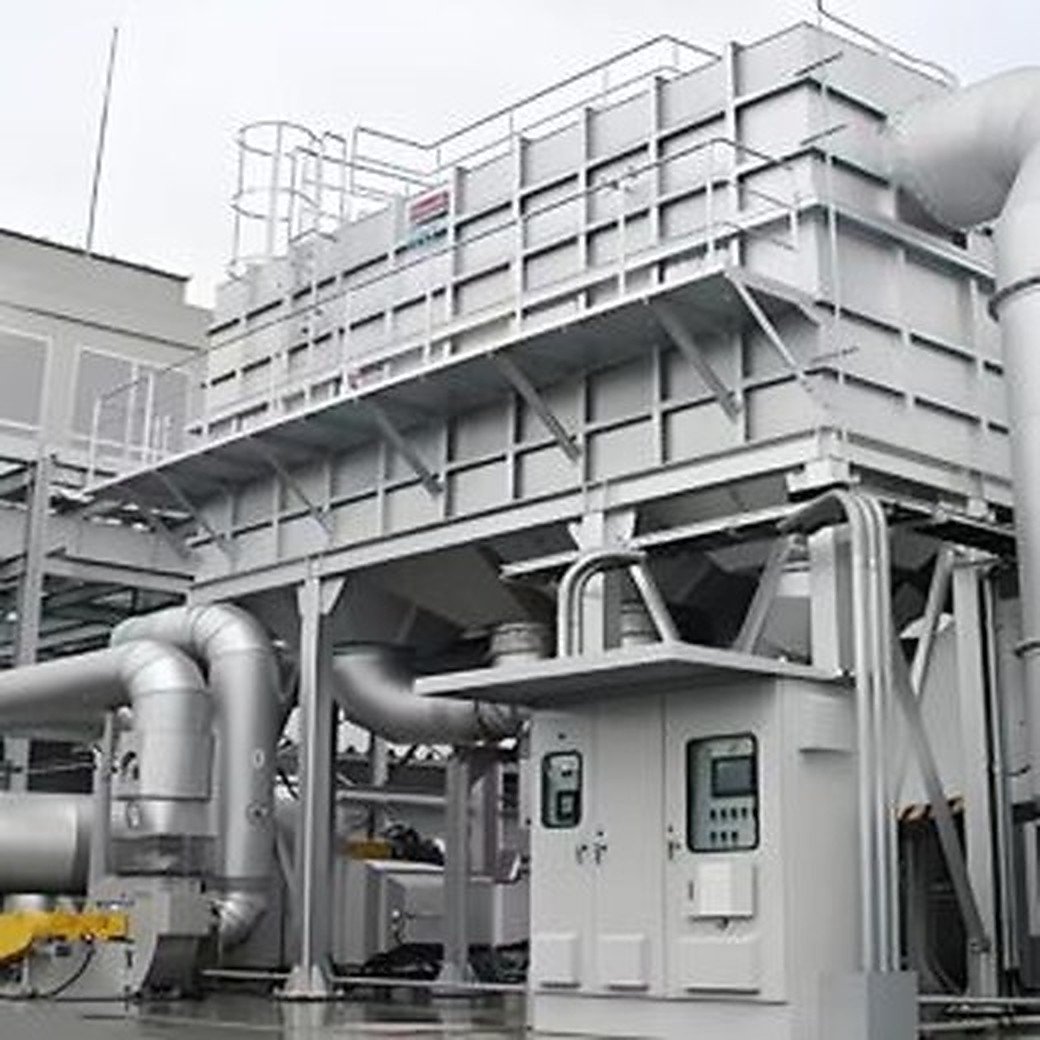
An RTO project normally includes interfaces beyond the oxidizer vessel. Depending on the site and proposal, those can include capture connections, duct routing, fans, dampers, pretreatment, insulation, stack work, controls, electrical supply boundaries, access platforms, drains, and lifting or installation responsibilities.
Place the battery limits on a simple drawing. Mark every handoff: process exhaust inlet, clean-gas outlet, fuel, electrical supply, compressed air, drains, structural supports, controls signals, and data connection. Ask whether each interface is included, supplied by the buyer, or excluded. A statement such as “complete system” is not a substitute for a defined battery limit.
Pay particular attention to items that can be technically necessary but commercially separated: duct supports, roof penetrations, field insulation, fire or gas-detection interfaces, upstream mist control, electrical distribution, and local authority coordination. The right allocation depends on the project; the important point is that it is written down.
5. Test the controls, safety, and responsibility boundaries
Controls scope is often difficult to compare because a proposal may list a PLC and HMI without describing the field devices, interlocks, signals, or site responsibilities around them. Request a high-level control narrative that distinguishes the package supplier’s boundary from the plant’s existing control and safety systems.
Questions worth resolving include:
- Which instruments, valves, actuators, and feedback devices are inside the supplied scope?
- Which permissives and shutdown signals cross the battery limit, and who provides the field wiring or integration?
- What operating modes, alarms, trend points, and remote-access assumptions are stated?
- How are site-specific hazardous-area, safety, and emergency-response requirements assigned for review?
- What is the documented process for changes made after the proposal basis is frozen?
Do not infer a safety function from a generic brochure or a bid table. Confirm the project’s approved requirements and obtain the relevant functional description from the responsible parties.
6. Compare verification evidence and lifetime-operability items
Buyers often focus on the shipped equipment and postpone the evidence package. That can create disagreement later about startup support, training, records, spares, and test preparation. Normalize these items while the proposal is still being clarified.
| Evidence or service item | Comparison question |
|---|---|
| Commissioning support | What activities, duration, site prerequisites, and exclusions are stated? |
| Operating records | Which trend list, setpoint record, alarm history, and startup forms are supplied? |
| Documentation | Which drawings, manuals, bills of materials, and maintenance instructions are included? |
| Training | Who is trained, in what format, against which operating procedures? |
| Spares and consumables | Are recommended items separated by commissioning, routine maintenance, and critical recovery need? |
| Test support | What sampling points, access, data, and supplier participation are assumed? |
This is not a demand for unsupported guarantees. It is a way to make the expected evidence and operational handover visible before the commercial decision.
7. Make exclusions and change control decision-ready
Every proposal should have a short exclusions-and-assumptions page that can be reviewed beside the matrix. Convert vague wording into specific questions: Is the exclusion a buyer responsibility, an optional item, a missing datum, or an out-of-scope condition? What would trigger a technical or commercial change?
Before selecting a preferred proposal, conduct a structured clarification meeting. Walk through the same matrix with each bidder, freeze the accepted design basis, and issue a controlled revision request where needed. Keep the final matrix with the purchase decision so engineering, procurement, construction, and operations are working from the same boundaries.
The most defensible choice is not automatically the lowest price or the longest feature list. It is the proposal whose basis, scope, interfaces, evidence, and changes can be understood and managed by the project team.
FAQ
Can we compare RTO proposals when the exhaust data are incomplete?
Yes, but label the comparison as conditional. Keep estimated values, data gaps, and supplier assumptions in the matrix, then define what information must be confirmed before final design or purchase commitment.
Is the lowest price a valid first filter?
It can be a starting observation, but not a technical conclusion. First normalize design cases, battery limits, services, controls, and exclusions so the commercial figures refer to comparable obligations.
What is a battery-limit drawing?
It is a simple project drawing that shows where one party’s scope ends and another party’s scope begins for process, utilities, structures, controls, and field work. It helps prevent unowned interfaces.
Should the matrix require identical RTO technology from every bidder?
No. It should make meaningful differences explicit. Different technical routes can be evaluated fairly when each route is tied to the same buyer-controlled design basis and clearly stated scope.
Can SERNO help organize an RTO proposal comparison?
SERNO can help structure a data request, scope-normalization matrix, and technical clarification agenda around a buyer’s actual exhaust sources and project boundaries. Final design, safety, commercial, and compliance decisions remain with qualified project stakeholders.
Conclusion
Comparing RTO proposals becomes more reliable when a buyer controls the design basis and turns every inclusion, assumption, interface, and evidence item into a visible row. Normalize the scope before evaluating price, clarify departures in writing, and retain the final matrix with the project record. That process helps teams choose a solution they can engineer, install, operate, and verify with fewer surprises.
For a project-specific discussion, SERNO can help prepare the initial exhaust-data request and proposal-comparison framework for your VOC-treatment inquiry.