 Request Proposal
RTO Insulation and Cladding Inspection: Find Heat-Loss Evidence Before It Becomes a Capacity Problem
Insulation damage on an RTO is easy to treat as a cosmetic issue. Missing cladding, wet lagging or an exposed expansion joint can instead increase shell temperature, waste fuel, create personnel hazards and hide a deeper refractory or casing problem. The inspection should connect visible condition to operating evidence and repair release criteria.
Define the inspection boundary
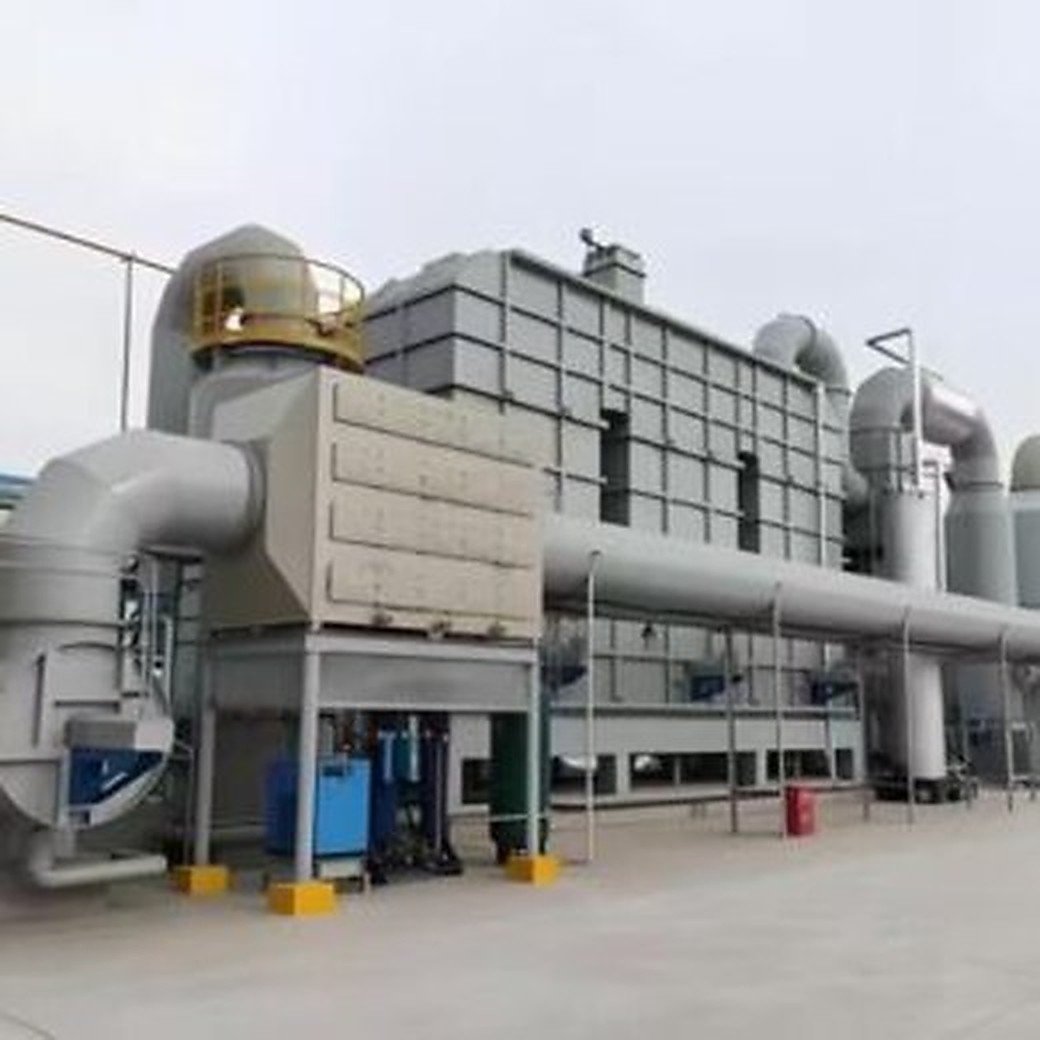
Start with the equipment layout, insulation specification, hot-surface limits, fire-protection requirements and previous repair records. Mark the combustion chamber, valves, ducts, transition pieces, doors, expansion joints, stacks and instrument penetrations. Record which surfaces are intentionally hot and which should remain insulated; this prevents a blanket temperature survey from producing false alarms.
Map heat-loss evidence
Inspect during a stable operating case when safe and permitted. Combine infrared readings with ambient temperature, load, airflow and fuel data. Photograph each abnormal area with a reference point and record distance, emissivity assumptions and weather conditions. A high reading at a flange may indicate missing insulation, air leakage, a loose cladding seam or an internal refractory issue; do not assign the cause from temperature alone.
Check cladding, seams and penetrations
Look for open seams, detached bands, corrosion, sharp edges, oil contamination, water paths and wind damage. Pay special attention to manways, thermocouples, sight ports, burner tiles, support clips and expansion joints. Verify that removable blankets and access panels are refitted without crushing insulation or blocking drains. Penetrations should be sealed according to the approved design while allowing intended thermal movement.
Separate insulation repair from refractory risk
If shell temperature remains abnormal after external insulation is restored, escalate for refractory, casing or gas-flow investigation. Compare readings around the area, trend them at the same operating point and check for draft or oxygen changes. This staged diagnosis avoids using insulation work to mask a hot spot that can damage the vessel or distort process performance.
Release repairs with evidence
The close-out package should include marked-up photos, material and thickness records, fastener or banding checks, surface-temperature recheck, worker-safety confirmation and any permit-required inspection. Define acceptance limits before the work starts. Recheck after a controlled heat-up because cladding can shift, moisture can flash off and small gaps can open during thermal cycling.
Buyer and maintenance checklist
Ask who owns access, scaffolding, insulation removal, hazardous-area controls, waste handling and final measurement. Require the contractor to identify the repair material, expected service temperature, weatherproofing method and warranty boundary. Tie payment or handover to evidence rather than appearance alone.
FAQ
Is an infrared camera enough?
No. It is a screening tool. Readings need operating context, repeatability and follow-up inspection of the physical boundary.
Should all hot spots trigger an outage?
Not automatically. Rank them by temperature, location, trend, personnel exposure, refractory risk and permit limits, then define a controlled response.
What should a repair package contain?
Marked-up condition photos, measured temperatures, approved materials, thickness or installation records, safety checks and a post-heat-up verification.
Conclusion
An RTO insulation and cladding inspection is most useful when it proves where heat is leaving, why the evidence is credible and whether the repair survives a controlled restart. SERNO can help normalize the inspection scope, evidence matrix and acceptance criteria for an RTO project.