 Request Proposal
Rotor RTO
Zeolite rotor concentrator plus RTO for high-airflow VOC exhaust.
This route is reviewed for large-volume, lower-concentration exhaust where concentrating VOCs before oxidation can reduce RTO size and operating fuel demand.
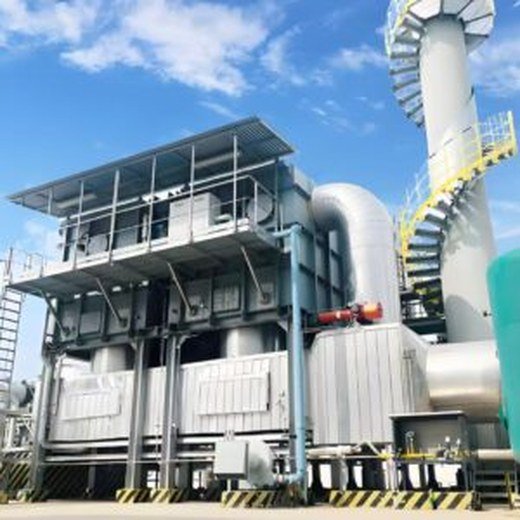
How the system works
VOC exhaust passes through a zeolite rotor where organic compounds are adsorbed. A smaller hot desorption airflow removes the concentrated VOCs and sends them to the RTO for high-temperature oxidation.
Engineering checks
- Air volume, VOC concentration and concentration ratio.
- Solvent compatibility with zeolite media.
- Humidity, dust, oil mist and sticky component risk.
- Desorption temperature, purge air, fire protection and bypass logic.
Suitable applications
Common review scenarios include coating workshops, electronics materials, packaging exhaust and large ventilation systems where direct oxidation would be oversized.
Typical selection range
- Airflow: especially useful for large-airflow, lower-concentration VOC exhaust.
- Process fit: coating workshops, electronics materials, printing ventilation and mixed collection systems.
- Concentration route: zeolite rotor concentrates VOCs into a smaller desorption airflow before RTO oxidation.
- Pre-treatment: dust, oil mist, high humidity and sticky components must be checked before final selection.
Standard supply scope
- Zeolite rotor concentrator, desorption heater, purge system and concentration control.
- RTO oxidation unit, fan, duct interface, temperature monitoring, valves and safety interlocks.
- PLC/HMI control logic for adsorption, desorption, purge, bypass and emergency shutdown.
FAQ
When is Rotor RTO better than direct RTO? Usually when airflow is high but VOC concentration is low enough that direct oxidation becomes oversized or fuel intensive.
What risks should be checked? Solvent compatibility, humidity, dust, oil mist, high-boiling components and fire protection requirements.