 Request Proposal
RCO
Regenerative catalytic oxidation for selected VOC exhaust conditions.
RCO uses catalyst to lower oxidation temperature compared with thermal oxidation, but suitability depends heavily on exhaust composition and catalyst poisoning risk.
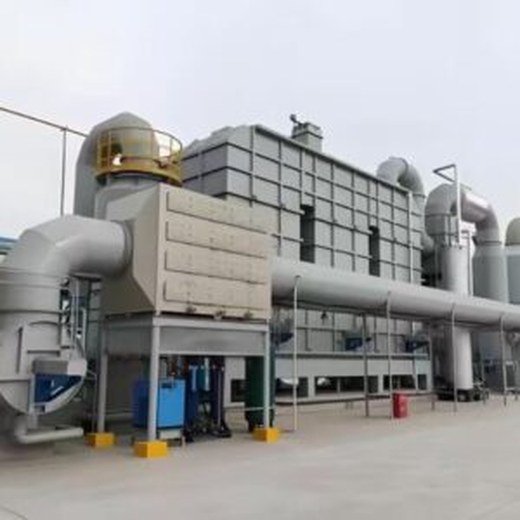
When RCO may be reviewed
RCO is considered for solvent VOC streams where catalytic oxidation can meet performance and operating cost goals. It is not selected only by airflow: solvent type, dust, moisture and catalyst compatibility are decisive.
Key configuration points
- Catalyst type and operating temperature window.
- Regenerative heat exchange bed and flow switching logic.
- Pre-filtration for dust, mist and catalyst poisoning components.
- Temperature control, safety interlocks and emission monitoring points.
Data required
Provide solvent list, concentration range, exhaust temperature, humidity, dust condition, operating schedule and local emission requirement for feasibility review.
Typical selection range
- Application: selected VOC exhaust where catalyst compatibility is confirmed.
- Operating logic: catalytic oxidation can reduce oxidation temperature compared with thermal oxidation.
- Best fit: solvent streams without serious catalyst poisons, tar, silicon, sulfur, halogens or heavy dust.
Standard supply scope
- Catalyst chamber, regenerative heat exchange bed, preheating system and insulation.
- Fan, valves, instruments, temperature control, PLC/HMI and emission monitoring points.
- Pre-filtration and safety interlocks can be configured according to exhaust risk.
FAQ
Why not choose RCO for every VOC project? Catalyst life depends on solvent composition and impurities, so SERNO checks poisoning risk before recommending RCO.
What should buyers provide? Solvent list, concentration range, humidity, dust condition, temperature, operating schedule and emission requirement.